 عادل فيرق
 Asir Traditional Foods: Unforgettable Heritage Flavors from Southern Saudi Arabia
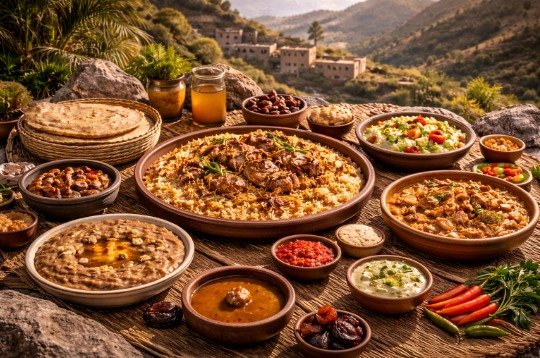
Nestled among the majestic mountains of southern Saudi Arabia, Asir traditional foods are far more than authentic local dishes—they are a living reflection of the region’s history, customs, and way of life that has been preserved for generations.
The cuisine of Asir represents a rich cultural identity, with every recipe deeply connected to the mountainous landscape, agricultural seasons, and the renowned hospitality of the region’s people. Through natural local ingredients and time-honored cooking techniques, Asir cuisine has maintained its reputation as one of the richest and most distinctive traditions within traditional Saudi cuisine.
In this guide, we’ll explore the most famous Asir traditional foods, discover their history and ingredients, and learn why they have become an essential part of experiencing southern Saudi Arabia.
Asir Cuisine: Where Every Dish Tells the Story of the Land
Asir traditional foods is considered one of the most distinctive regional cuisines in Saudi Arabia, thanks to its close connection with the area’s mountainous landscape and fertile agricultural environment. For centuries, local communities relied on ingredients produced by their land, including wheat, millet, corn, honey, clarified butter (ghee), dairy products, and aromatic mountain herbs.
This abundance of natural resources shaped the region’s traditional dishes, giving Asir traditional foods their rich flavors, high nutritional value, and authentic character while maintaining the simplicity of locally sourced ingredients.
Food in Asir has always been closely tied to everyday life. Meals were traditionally prepared at home using heritage cooking methods, while many dishes became associated with harvest seasons, family gatherings, celebrations, and welcoming guests—making food an important cultural expression rather than simply a source of nourishment.
What Makes Asir Cuisine Unique?
Several characteristics have helped Asir cuisine preserve its authenticity over the centuries:
- Reliance on fresh, locally produced ingredients.
- Traditional recipes passed down through generations.
- Strong ties to agricultural seasons and rural life.
- A deep-rooted culture of hospitality and generosity.
- A balance between authentic flavor and nutritional value.
These qualities have established Asir cuisine as an important part of Saudi Arabia’s cultural heritage rather than simply a collection of traditional recipes.
The Most Famous Asir Traditional Foods
The region is home to a wide variety of Asir traditional foods that remain popular today, whether prepared in family homes or served during cultural festivals and heritage events. These dishes form an essential part of Southern Saudi cuisine, with each recipe reflecting the region’s history and lifestyle.
Areekah
Areekah is one of the most iconic Asir traditional foods and one of the best-known dishes throughout southern Saudi Arabia. It is prepared using whole wheat flour, then mixed with traditional ghee and natural honey to create its signature rich texture and flavor.
Areekah is known for:
- Being an excellent source of energy.
- Using simple, natural ingredients.
- Commonly served for breakfast or family gatherings.
- Representing one of the most recognizable examples of traditional Saudi food.
Aseedah
Aseedah holds a special place among Asir traditional foods, particularly during family occasions and the colder months.
The dish is made by slowly cooking finely ground grains until they reach a smooth, thick consistency, then serving them with either traditional ghee or broth according to local customs.
Today, Aseedah continues to represent the authenticity of Asir cuisine, symbolizing simplicity and wholesome nutrition.
Asiri Khameer Bread
Asiri Khameer is one of the region’s most famous traditional breads, recognized for its soft texture and naturally fermented preparation method.
It is commonly served with:
- Natural honey.
- Traditional ghee.
- Local cheeses.
- Various heritage dishes.
Khameer remains an essential accompaniment to many Asir traditional foods.
Haneeth
Haneeth is among Saudi Arabia’s most celebrated heritage dishes. It is traditionally prepared by slowly cooking meat in an underground pit or a specially designed oven, resulting in exceptionally tender meat with a distinctive smoky flavor.
Haneeth is typically served during:
- Large banquets.
- Family celebrations.
- Religious holidays.
- Guest receptions.
Although Haneeth is enjoyed across several regions of Saudi Arabia, its preparation within Southern Saudi cuisine carries unique local traditions.
Southern Marqooq
Southern Marqooq is a comforting traditional dish made with thin sheets of dough cooked in broth with vegetables and either meat or chicken.
It perfectly reflects the simplicity of Asir traditional foods, relying on locally available ingredients while delivering rich flavors shaped by generations of culinary experience.
Asir Traditional Foods: More Than Just Meals
The value of Asir traditional foods extends far beyond their delicious taste. They represent cultural identity, family traditions, and social heritage that have been preserved for generations.
For centuries, the dining table in Asiri homes served as the heart of family life, where recipes, customs, and stories were passed from parents to children.
These traditional dishes have therefore become symbols of local identity, preserving the collective memory of the region and reflecting the lifestyle that has defined Asir for generations.
They also continue to play an important role in maintaining cultural traditions by remaining central to weddings, family gatherings, religious celebrations, and hospitality, making them an enduring pillar of Saudi Arabia’s culinary heritage.
Traditional Foods of Asir: A Reflection of Nature and Heritage
Southern Saudi Cuisine: A Rich Blend of Environment and Tradition
It is impossible to talk about Asir traditional foods without looking at Southern Saudi cuisine as a whole. The southern regions of Saudi Arabia—including Asir, Al Baha, Jazan, and Najran—share a rich culinary heritage that has evolved over centuries, shaped by diverse landscapes of mountains, valleys, and fertile plains.
The varied climate of southern Saudi Arabia has supported the cultivation of wheat, millet, sorghum, and corn, in addition to producing natural honey, traditional ghee, and dairy products. These locally sourced ingredients have become the foundation of many authentic regional dishes.
Although the cuisines of the southern regions share similarities, Asir cuisine has preserved its own distinctive identity through traditional recipes and cooking techniques that have been passed down from one generation to another, making it an essential part of the region’s cultural heritage.
This diversity extends beyond main dishes to include traditional breads, local desserts, and regional beverages that reflect the agricultural lifestyle of southern Saudi Arabia.
How Has Asir’s Landscape Influenced Its Traditional Cuisine?
The mountainous terrain of Asir is one of the main reasons behind the unique character of its traditional dishes. Before modern transportation and trade, local communities relied heavily on what their land could produce, creating a cuisine built almost entirely on local resources.
Mountain farms supplied seasonal grains and vegetables, while livestock farming provided fresh milk, butter, and traditional ghee—ingredients that became staples in many regional recipes.
The relatively mild climate in parts of Asir also allowed for the cultivation of a wider variety of crops than in many other parts of Saudi Arabia, giving the region’s cuisine remarkable diversity.
As a result, many Asir traditional foods are based on:
- Whole grains
- Locally grown produce
- Traditional ghee
- Natural honey
- Fresh meat
- Mountain herbs and aromatic plants
This reliance on natural ingredients has helped preserve both the nutritional value and authentic flavor of traditional dishes to this day.
Hospitality in Asir: When Food Becomes a Language of Welcome
Hospitality is deeply rooted in Asiri culture, making traditional food inseparable from the region’s renowned generosity.
When welcoming guests, families prepare their finest traditional dishes—not merely to serve food, but to express respect, appreciation, and warmth.
The menu varies depending on the occasion, but certain dishes have become closely associated with:
- Family feasts
- Wedding celebrations
- Eid holidays
- Welcoming visitors
- National celebrations
These customs highlight the social importance of food, transforming the dining table into a place where families gather and community bonds are strengthened.
The Nutritional Value of Asir traditional foods
Beyond their distinctive flavors, Asir traditional foods offer significant nutritional benefits thanks to their reliance on minimally processed natural ingredients.
Whole grains used in many recipes are rich in dietary fiber, while traditional ghee provides energy. Natural honey, when consumed in moderation, contributes valuable nutrients and antioxidants.
Many dishes also combine meat with seasonal vegetables, creating balanced and nourishing meals.
However, as with any rich cuisine, moderation is recommended when consuming dishes that contain generous amounts of honey or ghee, particularly for individuals following specialized diets.
The Role of Asiri Women in Preserving Traditional Cuisine
Women have played a central role in preserving traditional Asir cuisine and passing it on through generations.
For centuries, recipes were transmitted orally from mothers to daughters without written cookbooks, allowing countless traditional dishes to survive into the present day.
Women also taught younger generations:
- Traditional bread-making techniques
- Heritage cooking methods
- Selecting quality local ingredients
- Proper etiquette for serving guests
As a result, many traditional Saudi recipes first became treasured family traditions before eventually becoming part of the Kingdom’s national culinary heritage.
Asir traditional foods in Festivals and Heritage Events
In recent years, Saudi Arabia has placed greater emphasis on showcasing its culinary heritage through cultural festivals, where traditional Asir dishes have become major attractions.
These events allow visitors to:
- Watch authentic cooking demonstrations
- Learn the history behind each dish
- Taste recipes prepared using traditional methods
They also contribute to:
- Preserving Saudi culinary heritage
- Supporting local family businesses
- Introducing visitors to authentic Asir cuisine
- Encouraging younger generations to learn traditional recipes
- Strengthening Asir’s position as a cultural tourism destination
How Has Asir Cuisine Become Part of Cultural Tourism?
Modern tourism is no longer limited to visiting historical landmarks or scenic destinations—food has become an essential part of the travel experience.
Today, traditional Asir cuisine is one of the region’s strongest cultural attractions, with many visitors eager to sample local dishes while exploring heritage villages and traditional markets.
Food offers travelers a deeper understanding of local culture, as every recipe tells a story about the people, their history, their lifestyle, and their relationship with the surrounding environment.
Traditional restaurants and family-run kitchens continue to prepare these dishes using authentic recipes, helping preserve Asir’s culinary identity while providing visitors with an experience that cannot easily be found elsewhere.
Signature Ingredients of Asir Cuisine
Asir’s traditional cuisine is known for using simple yet high-quality ingredients, including:
- Wheat and whole wheat flour
- Corn
- Millet
- Traditional ghee
- Natural honey
- Buttermilk
- Homemade butter
- Locally raised meat
- Seasonal vegetables
- Mountain herbs
These ingredients are among the key reasons why traditional Asir dishes possess such a distinctive character compared to other regional Saudi cuisines.
Why Do Asir traditional foods Remain Popular Today?
Despite the growing popularity of international restaurants and changing lifestyles, traditional Asir cuisine continues to hold a special place within Saudi society.
Its lasting popularity can be attributed to several factors:
- Its strong connection to cultural identity and heritage
- Authentic flavors that are difficult to replicate
- Reliance on fresh, natural ingredients
- Its continued presence at family gatherings and celebrations
- Recipes passed down across generations
- Ongoing support from cultural and tourism organizations
Today, these dishes are no longer viewed simply as old recipes—they have become symbols of Saudi national identity and continue attracting travelers interested in authentic cultural and culinary experiences.
Traditional Asir Foods and Life in Heritage Villages
A true appreciation of Asir traditional foods is incomplete without visiting the region’s heritage villages, where food is not simply presented as a tourist attraction but remains an integral part of everyday life.
As visitors wander through these historic villages, they can still observe traditional cooking practices preserved by local families, including the use of:
- Stone hand mills for grinding grains
- Clay ovens for baking traditional bread
- Large metal and copper cooking pots used for generations
These practices demonstrate the close relationship between Asir’s cuisine and its environment, where meals were always prepared according to what the land provided each season.
Seasonal Agriculture and Asir traditional foods
One of the defining characteristics of traditional Asir food is its close relationship with the agricultural calendar.
During wheat and corn harvest seasons, families prepare dishes centered around freshly harvested grains. Likewise, the flowering seasons in the mountains support honey production, making natural honey a key ingredient in many desserts and traditional recipes.
Some dishes are especially popular during winter because they provide warmth and energy, while others are enjoyed during milder seasons.
This seasonal approach reflects an important aspect of southern Saudi culinary culture, where food has always remained closely connected to agricultural life.
Traditional Cooking Utensils in Asir
Traditional cooking tools have played a significant role in creating the distinctive flavors of Asir cuisine.
Among the most iconic utensils are:
- Stone grain mills
- Clay ovens and traditional tandoors
- Large metal cooking pots for feasts
- Stone and clay storage containers
- Wooden spoons used for preparing dishes like Aseeda and Areekah
Although modern kitchen equipment has become widespread, many families and heritage restaurants continue to use these traditional tools to preserve authentic flavors.
Asiri Honey: A Natural Treasure
No discussion of Asir traditional foods would be complete without mentioning Asiri honey, one of the region’s most celebrated natural products.
Thanks to the rich biodiversity of Asir’s mountains and valleys, the region produces several premium varieties of honey.
Honey is widely used in traditional dishes, especially:
- Areekah
- Khameer bread
- Traditional flatbreads
- Local desserts
It is also commonly served with traditional ghee as a gesture of hospitality and remains one of the most sought-after local products for visitors.
Traditional Ghee: The Heart of Asir Cuisine
Traditional ghee is one of the defining ingredients of Asir’s culinary heritage and is used in numerous regional recipes.
Historically, families produced their own ghee from the milk of locally raised sheep and cattle using traditional methods that preserved its rich natural flavor.
Beyond cooking, ghee is often added just before serving to enhance both the taste and richness of many traditional dishes, making it an indispensable element of authentic Asir cuisine.
Traditional Asiri Cuisine: A Cultural Heritage Worth Discovering
Traditional Asiri dishes are no longer simply recipes passed down through generations—they have become part of Saudi Arabia’s intangible cultural heritage, reflecting the history, traditions, and identity of the Asir region.
Every dish tells a story, every ingredient is deeply connected to the land it comes from, and every recipe represents generations of culinary knowledge. Exploring the cuisine of Asir is therefore much more than tasting delicious food; it is a journey through the history of southern Saudi Arabia and one of the Kingdom’s richest cultural traditions.
Why Has Traditional Asiri Cuisine Become Part of the Travel Experience?
Modern travel is no longer limited to visiting landmarks or taking photographs. Today, discovering local cuisine has become an essential part of experiencing a destination. This is one reason why Traditional Asiri Cuisine has attracted growing interest from visitors, offering a unique way to understand the region’s history and culture through authentic flavors.
When visitors enjoy dishes such as Areeka, Aseeda, or Haneeth, they are experiencing far more than a meal—they are discovering a lifestyle shaped by mountain landscapes, agricultural traditions, and generations of family customs. This makes Southern Saudi Cuisine a rich cultural experience rather than simply a dining experience.
Traditional restaurants, local families, and heritage festivals all play an important role in preserving these original recipes, allowing visitors to enjoy dishes prepared much as they were decades ago.
Hike & Seek: Where Nature Meets Heritage and Authentic Flavors
Exploring Asir is about much more than enjoying breathtaking landscapes. The region is home to dramatic mountains, historic villages, vibrant traditional markets, and a rich culinary heritage that reflects its unique identity.
For this reason, Hike & Seek offers experiences that go beyond ordinary hiking adventures. Their journeys combine scenic mountain trails, visits to heritage villages, opportunities to learn about local traditions, and the chance to experience Asir traditional foods as part of a complete cultural adventure.
Through these carefully designed experiences, visitors don’t simply admire the scenery—they immerse themselves in the daily life, customs, and traditions that have shaped Asir for generations.
Conclusion: Traditional Asiri Cuisine… A Flavor That Preserves the Memory of the Land
Asir traditional foods represents far more than a collection of regional recipes. It reflects the history of Asir, its mountainous landscape, agricultural traditions, and the hospitality for which southern Saudi Arabia is renowned. From Areeka and Aseeda to Haneeth and traditional breads, every dish tells a story and illustrates the deep relationship between people and their environment.
As tourism continues to grow across Saudi Arabia, Southern Saudi Cuisine has become an important gateway to understanding the cultural identity of the region. It offers visitors an authentic experience where flavor, history, and nature come together.
If you’re planning to explore Asir’s mountains and heritage villages, don’t miss the opportunity to taste its traditional dishes. They add a unique cultural dimension to your journey and create memories that last long after your visit.
Discover Asir in a different way with Hike & Seek. Experience guided adventures that combine breathtaking mountain trails, stunning landscapes, authentic local heritage, and the unforgettable flavors of Asir traditional foods in the heart of southern Saudi Arabia.
Frequently Asked Questions About Asir traditional foods
What are the most famous traditional dishes in Asir?
Some of the region’s best-known dishes include Areeka, Aseeda, Khameer bread, Haneeth, and Marqooq. These traditional meals reflect Asir’s culinary heritage and are made using locally sourced ingredients.
What makes Asir’s cuisine unique?
Asir’s cuisine is distinguished by its use of locally grown grains, traditional ghee, natural honey, and time-honored cooking techniques that have been passed down through generations. Its close connection to the mountainous environment and agricultural seasons also gives it a unique identity.
Is Southern Saudi cuisine different from other regional cuisines?
Yes. Southern Saudi cuisine relies heavily on ingredients suited to the mountain environment and features traditional recipes and cooking methods that differ from those found elsewhere in the Kingdom.
Are traditional Asiri dishes still prepared using traditional methods?
Yes. Many local families and heritage restaurants continue to prepare these dishes using traditional techniques. They are also widely featured during cultural festivals and heritage events to preserve the region’s culinary traditions.
Can visitors experience Asir traditional foods during tourist trips?
Absolutely. Many guided tours and travel experiences in Asir include visits to local restaurants or family-run kitchens where visitors can enjoy authentic Asir traditional foods as part of a complete cultural experience.
Sources
- Saudi Culinary Arts Commission – Information about Saudi cuisine and culinary heritage.
- Saudi Ministry of Culture – Initiatives for preserving Saudi cultural heritage and traditional cuisine.
- Saudi Tourism Authority – Travel guides and cultural experiences in the Asir region.
- Asir Development Authority – Information about Asir’s heritage, culture, and tourist attractions.
- UNESCO (United Nations Educational, Scientific and Cultural Organization) – Resources on intangible cultural heritage and the importance of traditional food heritage.
- Academic studies and research on Saudi culinary heritage and the traditional cuisine of southern Saudi Arabia.