 عادل فيرق
Choosing camping essentials starts with the actual trip, expected conditions, and supplied services rather than a long shopping list. Confirm whether there is an overnight stay and what the organizer provides for shelter, sleeping, food, and transport. You can then prepare the missing items and try important equipment at home, instead of learning how it works for the first time after reaching the campsite.
This guide approaches camping essentials as a series of practical decisions: what you need personally, what changes between activities, and when borrowing, hiring, or using supplied equipment makes sense. Three comparison tables, a preparation sequence, and eight questions help you turn a general list into a workable bag. Follow the selected program’s requirements and the site’s instructions, since facilities and conditions are not identical across all outdoor experiences.
Already considering an overnight experience? Contact Hike & Seek now with the activity name, date, and group size. Ask which camping essentials are provided and which you must bring before buying equipment that may already be included.
If you have not selected a destination, start with the Saudi camping guide, then use this article to match camping essentials to your actual program.
Understand the experience before choosing camping essentials
A camping category may include an overnight program or an outdoor gathering within a day trip. Check the actual duration and itinerary when planning camping essentials. Browse the Hike & Seek camping category, then ask about the specific departure you want. A tent photograph does not establish that the price includes a tent for every person, sleeping equipment, meals, or all the services you might expect.
Choose camping essentials around access to the site
Your camping essentials need to fit the journey between arrival and the site. There is a practical difference between parking nearby and carrying belongings along a trail. Write down whether the last stage involves a local transfer, walking, or directly joining the camp. Ask where larger luggage can remain. That information helps you choose an appropriate size for camping essentials and avoid relying on a vehicle you will not have access to during the activity.
Request an itemized list of supplied camping essentials
Ask for the actual items rather than accepting a broad description such as fully equipped. Does that mean a tent only, or also a mat and sleeping bag? Are lights shared or personal? For camping essentials, distinguish equipment for the group from equipment each participant needs. A lantern in a communal area does not automatically cover your lighting needs while arranging belongings or preparing your sleeping space.
Sleeping equipment and shelter among camping essentials
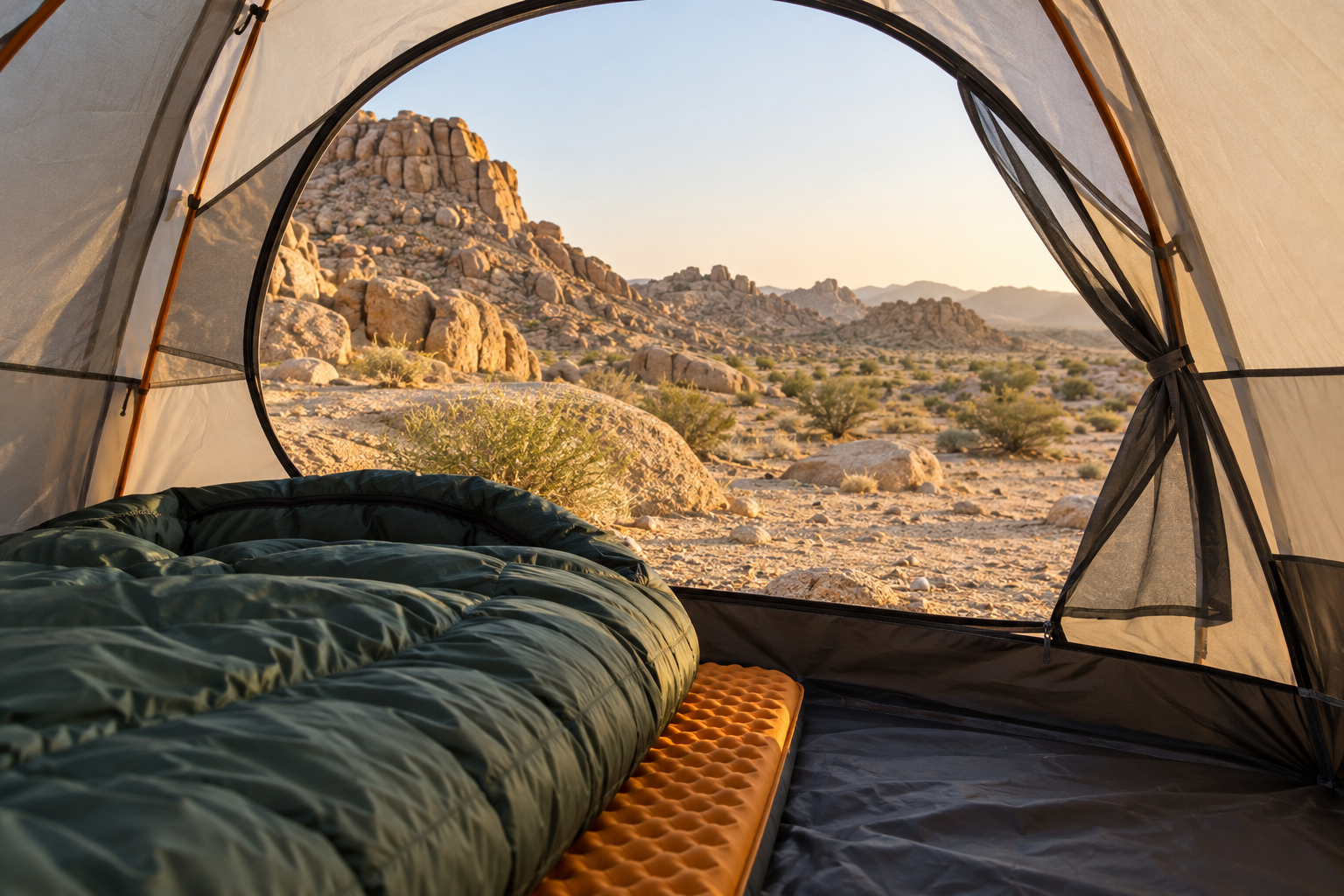
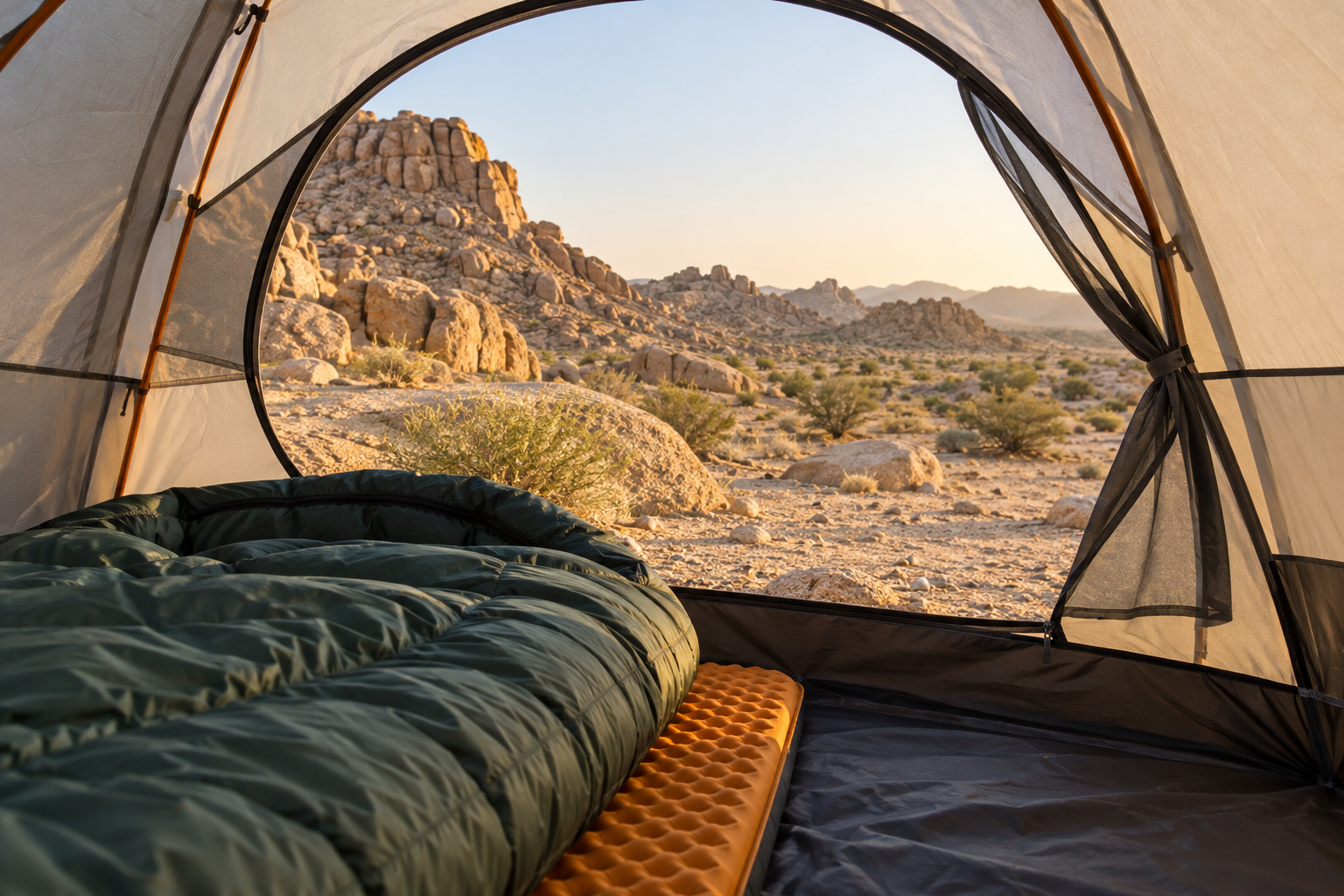
An effective overnight setup combines an appropriate shelter with sleeping equipment suited to the destination. No single expensive item solves every requirement. Compare camping essentials against the conditions and their intended use, reviewing product instructions and the organizer’s advice where relevant. If you do not know what to expect, do not choose solely from a tent’s appearance or a sleeping bag’s apparent thickness in a photograph.
Tent space and setup among your camping essentials
Check the number of users, space needed for belongings, access, and ventilation. A stated capacity does not guarantee the same usable room after adding everyone’s bags. With camping essentials, confirm the poles, pegs, lines, and model-specific parts are complete. Practice assembly according to the manufacturer’s instructions and establish who sets up a tent supplied within the booking. A missing component needs an appropriate solution, not an improvised substitute whose suitability you cannot assess.
Mats and sleeping bags as camping essentials
A sleeping mat is more than a way to soften the ground, while a sleeping bag does not address every overnight condition on its own. Review each item’s specifications against the expected use. Ask the organizer which camping essentials are appropriate for the selected departure. Camping essentials that worked for someone in a different place or season are not automatically right for your trip. Prepare the full sleeping arrangement before the time you intend to use it.
Protect sleeping camping essentials during travel
Use suitable protection for moisture-sensitive belongings and understand how equipment should be dried and stored afterward. Do not pack away damp tent fabric or sleeping gear for long-term storage. Looking after camping essentials preserves their usefulness for later trips. If equipment is borrowed, ask the owner about its care instructions, and record how small parts of camping essentials are packed if that helps you return every component without losing something inside a shared vehicle or bag.
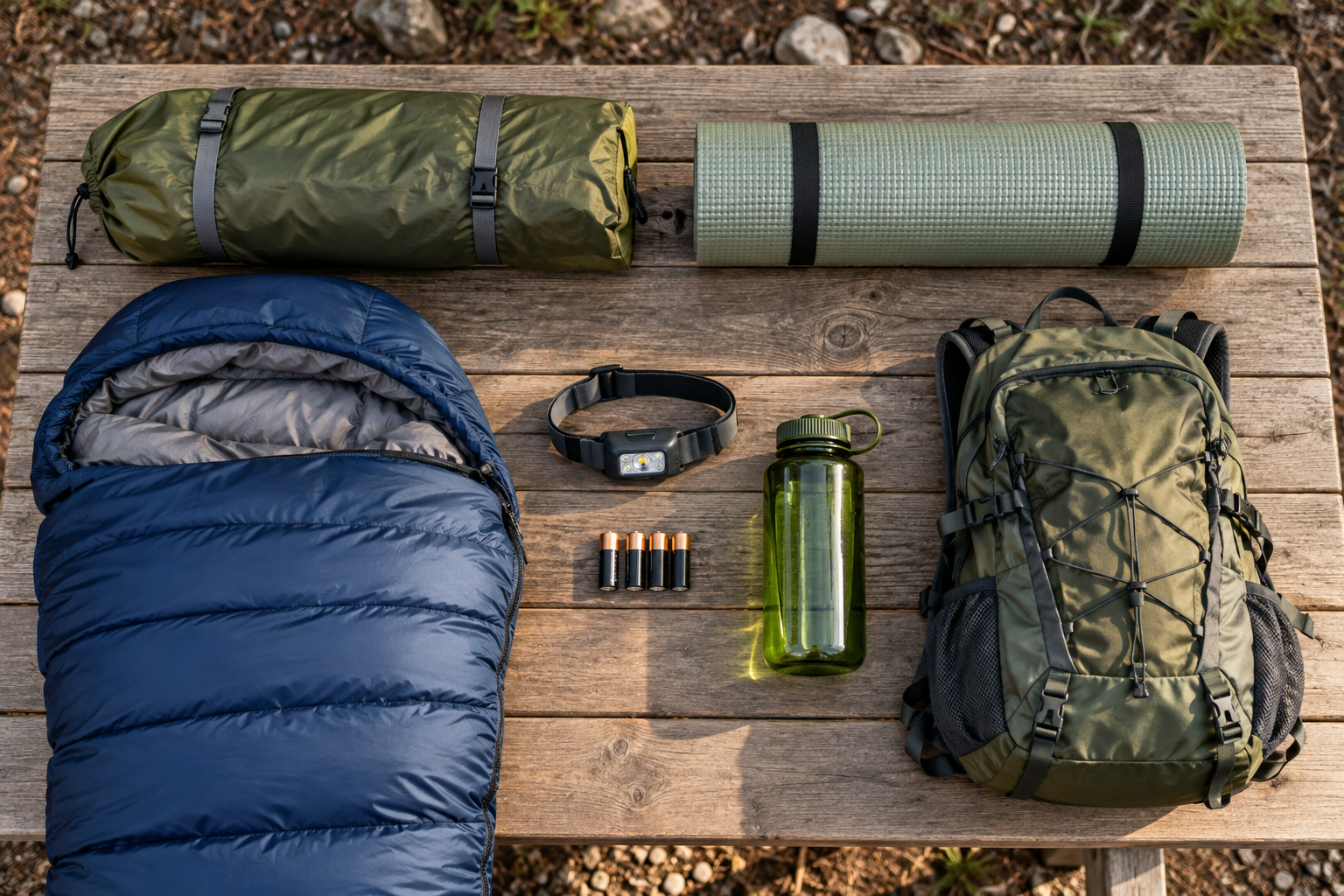
Personal camping equipment and camping essentials you use most
Make a short list for each traveler rather than a single family list with no named owner for important items. Clothing, lighting, and personal belongings need clear allocation, while some tools can be shared by agreement. When organizing camping essentials, check baggage limits and walking requirements first. A smaller bag with accessible necessities may be more useful than a large collection of duplicated equipment that nobody has checked or practiced using.
Clothing and footwear for the actual program
Choose clothing you can adjust to the conditions and establish whether an extra layer or rain protection is appropriate. Footwear follows the ground and walking involved, not the camping label alone. If a hike is included, review how to choose a suitable trail and its requirements separately. Avoid making the longest activity your first proper test of unfamiliar shoes. Keep spare clothing dry within your camping essentials rather than packing it beside items that may leak or arrive wet.
Lighting and charging among your camping essentials
Check that your light works and that its power supply matches the duration and instructions. A phone torch is not automatically an adequate substitute for lighting used to organize a sleeping area. Group the small accessories in a recognizable pouch and protect sensitive belongings from moisture and dust. For camping essentials, ask about communication arrangements and charging access rather than assuming a socket in the departure vehicle will remain available at the campsite.
Water, food, and personal hygiene
Find out which meals and water supplies are included, when they are available, and what participants must carry. Explain personal dietary requirements early instead of expecting an alternative to appear on arrival. Select containers and utensils appropriate to the program, and keep food separate from dirty equipment as instructed. Include hygiene items and waste bags among your camping essentials, then check actual facilities before deciding that an item is unnecessary or already supplied.
| Equipment group | Examples to review | What changes between trips |
| Sleeping | Tent, mat, and sleeping bag | Accommodation type and booking inclusions |
| Clothing | Layers, suitable shoes, dry spare items | Conditions and terrain |
| Lighting | Personal light and appropriate power | Duration and available services |
| Food and water | Containers and personal needs | Supplied meals and drinking water |
| Belongings | Phone protection and hygiene items | Transport, communication, and facilities |
Should you buy camping essentials or use other options
You do not need to purchase all your camping essentials before the first experience. Identify personal items that require a comfortable fit, then consider larger equipment the organizer may supply or you could borrow. What matters is suitability, completeness, and knowing how the item works. A low initial price means little if collection, return, missing parts, or unsuitable dimensions create a problem immediately before departure.
When purchasing can be reasonable
Buying may suit repeated use with known requirements, available storage, and a plan for maintenance. Before adding equipment, identify the specific problem it solves and whether you already have a suitable alternative. Camping essentials should support your likely activities rather than an imagined expedition. Review dimensions, weight, and operating instructions, then judge the purchase against realistic future use. A more expensive or specialized item is not automatically a better match for an occasional organized overnight stay.
What to inspect in borrowed camping essentials
Open the item, count its parts, inspect its condition, and agree on return arrangements. With borrowed camping essentials, confirming that a tent exists is not enough; its poles, accessories, and model-specific components must also be present. Ask about limitations or existing defects and test the functions you can check before traveling. An unsuitable item does not become a good choice simply because borrowing it reduces the shopping bill.
Compare a hire service with a supplied setup
Ask about the final amount, collection and return windows, cleaning, components, and any damage or delay conditions. Compare those commitments with a booking that supplies equipment at the destination. One option may fit better because it removes a transfer or storage problem. When comparing camping essentials, request the list in writing and check quantities per person. The word included cannot establish whether personal sleeping equipment is supplied for everyone in the group.
| Option | When it may fit | Confirm before relying on it |
| Purchase | Repeated use with known requirements | Specifications, storage, and care |
| Borrow | Limited use of an appropriate item | Completeness, condition, and return |
| Hire | Temporary need for larger equipment | Collection, inclusions, and terms |
| Supplied with the activity | A program providing equipment on site | Exact items, quantities, and setup responsibility |
Family camping essentials and shared responsibilities
Separate personal equipment from shared items and assign responsibility for each group. Camping essentials can be forgotten because several people assume someone else is bringing them. Keep sleeping, lighting, and food arrangements clear and send participants one updated list. If numbers change or children join, review space and activity requirements with the organizer rather than adding names without checking what those extra participants need.
Prepare around children’s actual needs
Ask about age requirements, facilities, and their location relative to the sleeping area. Pack familiar personal items in a way that matches the trip’s restrictions. A larger tent does not establish that the entire activity suits every age. Organize camping essentials for easy access and agree on adult supervision when children move away from the shared area. A simpler suitable program is preferable to using extra equipment to compensate for an activity the family cannot comfortably enjoy.
Ask for a list connected to your booking
Before buying camping essentials, message Hike & Seek with the activity, group size, and children’s ages where relevant. Request clarification of sleeping arrangements, facilities, meals, transport, and personal equipment. You can begin with the published camping experiences, then confirm the specific program. This converts a generic list into a practical preparation task linked to a real departure rather than an assumed all-inclusive experience.
Packing a camping bag with camping essentials in order
Keep things required during travel and arrival within reach, then group the remaining items according to their purpose. Store components of one item together and separate personal belongings from shared equipment. Do not force camping essentials into a load you cannot carry if the activity involves walking. Once packed, try carrying the bag in a familiar setting and remove duplication or agree on sharing without eliminating something the organizer requires each participant to have.
Test camping essentials before leaving
Set up the tent if you are responsible for it, open the mat, try the lights, and check charging accessories and protective covers. The point is to find omissions while they can still be resolved. Problems with camping essentials may involve a flat battery, wrong connector, or missing small component rather than the absence of a large piece of equipment. Update the written list immediately instead of trusting yourself to remember at the meeting point.
Review the site when you arrive
Listen to the briefing and identify the sleeping area, facilities, permitted movement, and waste arrangements. Organize camping essentials without blocking access or mixing the group’s belongings, and learn whom to contact for assistance. Ask early about any difference between the agreed and available services. Waiting until bedtime to clarify sleeping equipment or water arrangements makes a straightforward question harder to solve and reduces your opportunity to obtain a practical answer.
| Preparation stage | Practical check | Intended result |
| Before reserving | Supplied and required item lists | No assumed equipment |
| Before traveling | Test, assemble, and count components | Complete working items |
| When packing | Weight distribution and access | A manageable bag |
| At arrival | Facilities and activity briefing | Appropriate use of the site |
| Before returning | Collect, check, and arrange drying | A clean departure without lost parts |
Conditions and respecting the overnight site
Check the National Center for Meteorology and the organizer’s destination updates close to departure. Camping essentials do not make every location suitable in every condition. If the program changes, ask about the alternative and applicable booking policy rather than choosing an unknown site to replace the activity. The Leave No Trace principles also offer a framework for preparing thoughtfully and respecting the place and other visitors.
Departure belongs on the equipment checklist
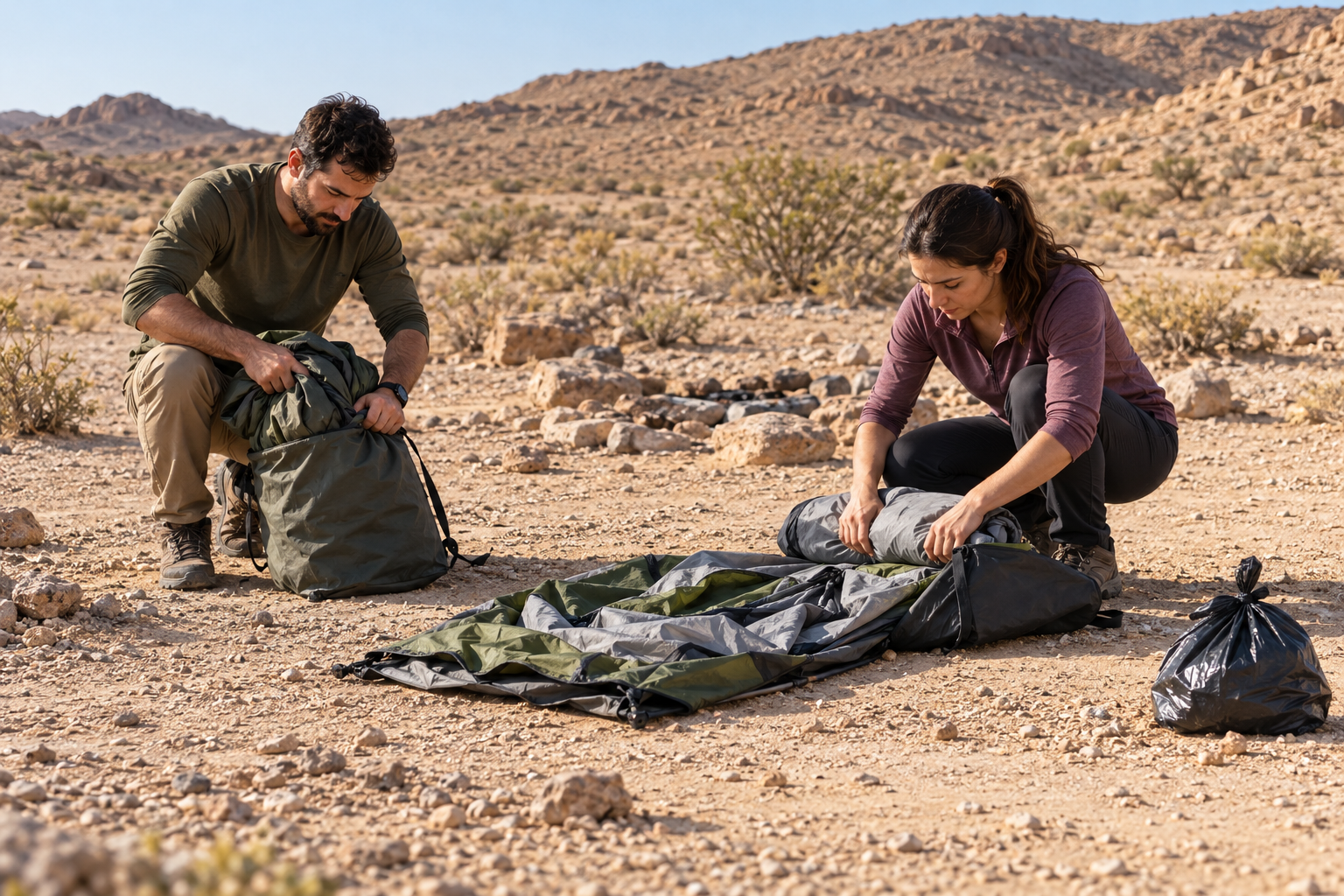
Allow time to collect belongings, count parts, and separate anything requiring cleaning or drying. Take waste away according to the site arrangements, including small items that can be easy to miss. Reviewing camping essentials after use makes the next trip easier and shows which pieces were genuinely useful. Record missing or uncomfortable items before shopping again, so the next purchase solves a specific problem rather than simply expanding the collection.
Common mistakes when packing camping essentials
Buying everything at once can happen before understanding the program, producing heavy bags and unused items. The opposite mistake is assuming all camping essentials are the organizer’s responsibility without reading the inclusions. Test important equipment before departure and keep dry sleeping items separate from wet belongings. A large vehicle is not a reason to bring equipment you cannot move if the parking arrangement changes or the program includes a walking stage.
Avoid copying another traveler’s list without comparing the two activities. Their setup may depend on facilities unavailable to you or on equipment supplied by friends. Confirm requirements for cooking or other equipment with the site, product instructions, and organizer. Camping essentials are intended to support an appropriate experience; quantity cannot replace information about the location, selected booking, participants’ responsibilities, or the practical requirements of the trip.
Frequently asked questions about camping essentials
Do camping essentials require buying a tent immediately
Not necessarily. Shelter may be included or suitable borrowing and hire options may exist. Confirm the camping essentials provided by the selected booking and inspect space, condition, and setup requirements before deciding whether a purchase is useful.
Which sleeping camping essentials does an included tent cover
No. Ask about each sleeping item separately and establish quantities per participant. Camping essentials need an itemized confirmation so everyone knows which equipment is personal and which pieces the organizer will provide at the site.
How can I reduce the weight of camping essentials
Remove duplicates, confirm shared equipment, and review items unrelated to the program. Do not remove required camping essentials without an appropriate agreed alternative. Check which stage involves carrying the bag before choosing its capacity or arranging extra luggage.
What should I inspect in borrowed camping essentials
Open the item, count components, test basic functions, and ask about use and care. Camping essentials that suited an earlier trip may not suit your destination or current conditions. Confirm suitability as well as availability before relying on them.
Are cooking tools always camping essentials
No. Meals may be supplied or handled through another arrangement. Check food, water, and facilities before adding cooking equipment to camping essentials, and follow the site’s and organizer’s instructions about permitted equipment and its appropriate use.
How should families organize camping essentials
Start with ages, participation requirements, and available services, then assign personal and shared items. Family camping essentials depend on actual sleeping arrangements, facilities, and suitable activities. A bigger bag or tent does not resolve those questions by itself.
Can phone lighting replace other camping essentials
Do not assume it covers every use or that charging will always be available. Review camping essentials for lighting and power against the activity duration, and test them before departure while preserving the phone’s role in communication.
Where can I confirm camping essentials for my booking
Send the activity name, date, and participant details through Hike & Seek’s contact page. Ask which camping essentials are included and which you bring, then check the final list against your bag and any updated instructions.
Confirm your experience and pack with a clear plan
Choose an appropriate activity, then turn its requirements into an itemized list. Contact Hike & Seek now or call 0591800838 to ask about available experiences and supplied camping essentials. Share your group’s needs and confirm sleeping arrangements, transport, food, and equipment before payment, so your preparation matches the experience you have actually reserved.