 عادل فيرق
 Wadi Al Disah: A Tropical Oasis in the Heart of Northern Saudi Arabia
Wadi Al Disah is one of the Kingdom of Saudi Arabia’s most remarkable natural treasures. Yet, despite its breathtaking beauty, many travelers are still unaware of this extraordinary destination, where towering cliffs, seasonal streams, lush palm groves, and dramatic rock formations come together in a truly unique landscape. Located in Wadi Al Disah, Tabuk, this spectacular valley showcases a side of northern Saudi Arabia that contrasts sharply with the region’s desert image.
Over the past few years, Wadi Al Disah has become an increasingly popular destination for nature enthusiasts, hikers, photographers, and adventure seekers. It is now recognized as one of the highlights of Tabuk tourism and one of the most beautiful valleys in Saudi Arabia, thanks to its exceptional geological formations and rich natural diversity.
In this guide, you’ll discover everything you need to know about Wadi Al Disah—from its geographical location and natural features to the best activities, travel tips, and essential information for planning a safe and unforgettable visit.
Why Is Wadi Al Disah One of the Most Beautiful Valleys in Saudi Arabia?
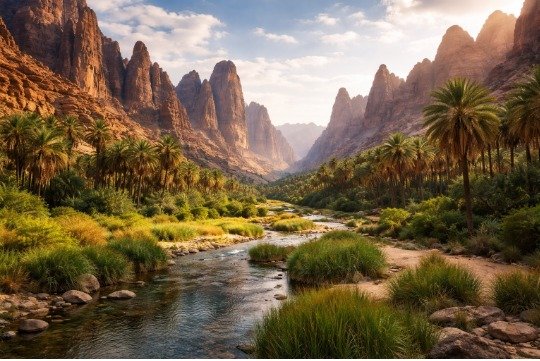
Unlike many natural attractions across the Kingdom, Wadi Al Disah combines towering sandstone cliffs, lush green landscapes, seasonal flowing water, and extensive palm groves within a single destination. This rare combination gives the valley the appearance of a tropical oasis, despite being located in the arid landscapes of northwestern Saudi Arabia.
The significance of Wadi Al Disah, Tabuk, lies in its remarkable environmental diversity. It represents one of the finest examples of the unique ecosystems found among the valleys of Saudi Arabia, where geological history and natural beauty merge to create an unforgettable outdoor experience.
As part of Saudi Arabia’s Vision 2030 initiatives to promote eco-tourism, Al Disah has gained increasing recognition as a premier destination for hiking, off-road adventures, landscape photography, and nature exploration.
What Makes Wadi Al Disah Unique?
Several natural features make Wadi Al Disah one of Saudi Arabia’s most extraordinary destinations:
- Towering sandstone cliffs rising hundreds of meters above the valley floor.
- Extensive palm groves and native vegetation throughout the valley.
- Seasonal streams that enhance the landscape after rainfall.
- Exceptional geological diversity that makes it one of northern Saudi Arabia’s most important natural sites.
- Peaceful surroundings far from urban areas.
- Ideal conditions for hiking, photography, exploration, and off-road adventures.
These unique characteristics have established Wadi Al Disah as one of the most spectacular valleys in Saudi Arabia for nature lovers and outdoor enthusiasts.
Wadi Al Disah Location and Geographical Significance
Wadi Al Disah is located in Duba Governorate within the Tabuk Region of northwestern Saudi Arabia. It lies inside the Prince Mohammed bin Salman Royal Reserve, approximately 250 kilometers southwest of Tabuk City, making it one of the region’s premier natural attractions and a key destination for Tabuk tourism.
The valley is surrounded by massive sandstone mountains that form dramatic canyons, narrow passages, and breathtaking rock formations. Along the valley floor, visitors will find flourishing palm trees and native vegetation, creating a lush oasis-like environment rarely found in the surrounding desert landscape.
Beyond its scenic beauty, Wadi Al Disah is also of great geological significance. Its exposed rock layers reveal millions of years of Earth’s history, making it one of the most scientifically valuable and visually impressive valleys in Saudi Arabia.
Al Disah Mountains: The Landmark That Defines the Valley
The Al Disah Mountains play a fundamental role in shaping the breathtaking scenery that defines Wadi Al Disah. Rather than simply surrounding the valley, these towering cliffs form an essential part of its geographical identity and environmental character.
Rising dramatically on both sides of the valley, the mountains feature towering sandstone pillars, vertical cliffs, and spectacular rock formations sculpted over thousands of years by natural erosion. Their presence has transformed Al Disah into one of Saudi Arabia’s most distinctive natural destinations.
What Makes the Al Disah Mountains Special?
The Al Disah Mountains are known for several exceptional characteristics:
- Massive sandstone formations with naturally sculpted geometric shapes.
- Narrow canyons and rocky passages ideal for hiking and exploration.
- Panoramic viewpoints overlooking Wadi Al Disah.
- Vibrant rock colors that change throughout the day as sunlight shifts.
- Rich geological features that attract photographers, researchers, and nature enthusiasts.
These mountains also help moderate temperatures within the valley by providing shade during much of the day, making exploration of Wadi Al Disah, Tabuk, more comfortable—particularly during the cooler seasons.
Why Is Wadi Al Disah One of Tabuk’s Top Tourist Attractions?
In recent years, Tabuk tourism has experienced significant growth thanks to the region’s impressive collection of historical landmarks and natural attractions. Among them, Wadi Al Disah stands out as one of the area’s most iconic destinations.
Wadi Al Disah, Tabuk, offers an extraordinary combination of landscapes rarely found together in one location. Towering mountains, lush vegetation, seasonal waterways, and dramatic rock formations create an immersive experience that blends relaxation, exploration, and adventure.
Today, Wadi Al Disah has become a favorite destination for hiking groups, overlanding enthusiasts, photographers, and travelers from across Saudi Arabia and around the world. Visitors enjoy scenic walks, nature photography, camping in designated areas, and the opportunity to experience one of the Kingdom’s most pristine natural environments.
The Rich Biodiversity of Wadi Al Disah
Wadi Al Disah represents one of northern Saudi Arabia’s finest examples of environmental diversity. Towering cliffs, native vegetation, seasonal streams, and fertile valley floors combine to create a vibrant natural ecosystem that distinguishes it from many other valleys in Saudi Arabia.
The valley’s varied terrain allows visitors to experience multiple landscapes during a single trip—from narrow sandstone canyons and open sandy plains to lush palm groves and flourishing vegetation.
What Makes Wadi Al Disah’s Natural Environment Unique?
- Towering sandstone cliffs that form dramatic canyons and natural corridors.
- Rich vegetation compared to many surrounding desert regions.
- Extensive palm groves spread throughout the valley.
- Seasonal streams that appear after rainfall.
- Habitat for native wildlife and various bird species.
- Ever-changing landscapes that transform with the seasons and changing light.
This remarkable ecological diversity has established Al Disah as one of Saudi Arabia’s premier natural destinations and one of the most valuable highlights of Tabuk tourism.
Best Things to Do in Wadi Al Disah
A visit to Wadi Al Disah is much more than simply admiring breathtaking scenery. The valley offers a wide range of outdoor activities that appeal to both adventure seekers and travelers looking for relaxation, making it one of the top destinations for Tabuk tourism.
Hiking and Nature Walks
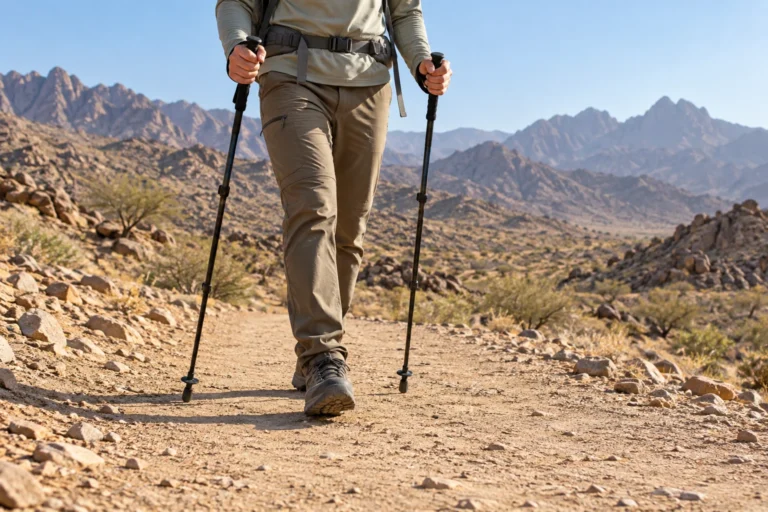
Hiking is one of the most popular activities in Wadi Al Disah, where natural trails lead visitors through the spectacular Al Disah Mountains, allowing them to explore dramatic canyons, towering sandstone cliffs, and unique rock formations up close.
The hiking routes range from easy to moderate, making Wadi Al Disah suitable for most visitors, including beginners, provided they follow safety guidelines throughout their journey.
Photography
Wadi Al Disah, Tabuk, is widely regarded as one of the finest landscape photography destinations in Saudi Arabia. Towering cliffs, lush palm groves, winding canyons, and exceptional natural lighting create countless opportunities for stunning photographs.
Sunrise and sunset are considered the best times to photograph Wadi Al Disah, when golden and reddish sunlight transforms the sandstone formations into spectacular natural masterpieces.
Exploring the Rock Formations
The Al Disah Mountains attract geology enthusiasts and explorers alike. Their exposed rock layers reveal millions of years of geological history, while natural erosion has sculpted extraordinary formations that have become iconic landmarks of Al Disah.
Desert and Off-Road Adventures
Wadi Al Disah is also a favorite destination for off-road adventures and desert excursions. Whether you’re planning a short day trip or a full-day exploration, the valley offers countless opportunities to discover its diverse landscapes while enjoying the peaceful surroundings far from city life.
Wildlife and Nature Observation
The lush environment of Al Disah provides an excellent setting for observing native plants, local bird species, and the area’s tranquil ecosystem. This makes the valley an outstanding destination for eco-tourism enthusiasts and visitors seeking peaceful experiences in nature.
Why Has Al Disah Become One of Saudi Arabia’s Rising Tourism Destinations?
In recent years, Al Disah has gained increasing attention as one of Saudi Arabia’s premier natural attractions, becoming an important part of the Kingdom’s eco-tourism development and Tabuk tourism initiatives.
Several factors have contributed to the growing popularity of Wadi Al Disah, including:
- Easier access to Wadi Al Disah than in previous years.
- A unique combination of mountains, valleys, and palm groves.
- Growing interest in eco-tourism across Saudi Arabia.
- Continuous development of tourism infrastructure in the Tabuk region.
- Increased awareness of preserving the Kingdom’s natural valleys.
- A wide variety of activities suitable for individuals, families, and organized groups.
These qualities have transformed Al Disah into a destination that combines breathtaking scenery, accessibility, and unforgettable outdoor experiences.
Planning Your Visit to Wadi Al Disah
To make the most of your visit to Wadi Al Disah, Tabuk, careful planning is highly recommended, especially if it is your first time exploring the valley.
Choose the Best Time to Visit
The ideal time to visit Wadi Al Disah is between October and April, when temperatures are mild and comfortable for hiking and outdoor exploration.
During the summer months, temperatures can become significantly higher, so early morning visits are recommended.
Essential Items to Bring
Before visiting Wadi Al Disah, make sure to pack:
- Plenty of drinking water.
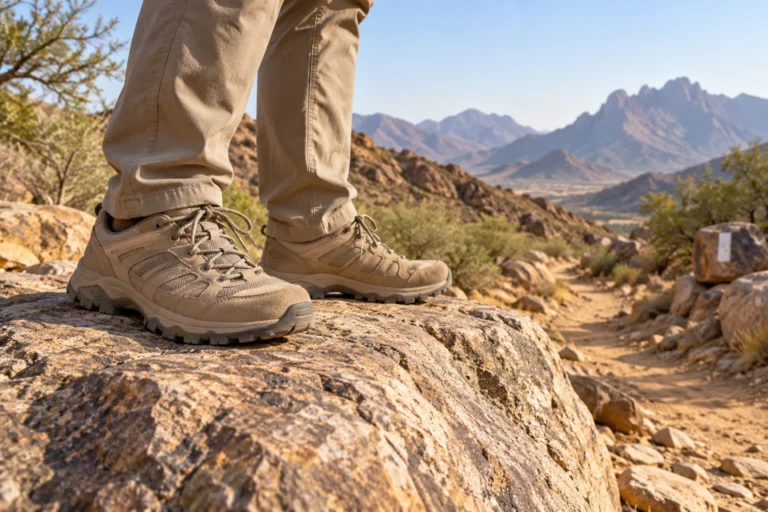
- Comfortable hiking shoes.
- A hat and sunglasses.
- A first-aid kit.
- A portable power bank.
- A camera or smartphone for photography.
Respect the Natural Environment
Help preserve the beauty of Wadi Al Disah by following responsible travel practices:
- Take all your waste with you.
- Do not damage plants or rock formations.
- Stay on designated natural trails.
- Avoid disturbing wildlife.
- Leave the area as clean as you found it.
Protecting the valleys of Saudi Arabia is a shared responsibility that helps preserve these extraordinary landscapes for future generations.
How Hike & Seek Helps You Explore Wadi Al Disah
While visiting Wadi Al Disah may seem straightforward, enjoying the experience to its fullest requires understanding the landscape, choosing the right season, selecting suitable hiking routes, and preparing with the proper equipment.
This is where Hike & Seek helps outdoor enthusiasts plan their adventures with confidence.
The platform provides trusted travel guides covering Saudi Arabia’s most remarkable natural destinations, including Wadi Al Disah, Tabuk, offering practical information about the valley’s location, the Al Disah Mountains, and the unique characteristics of the valleys of Saudi Arabia.
What Does Hike & Seek Offer?
- Comprehensive guides to Wadi Al Disah and its natural attractions.
- Accurate information about the location of Wadi Al Disah and how to reach it.
- Practical travel preparation guides.
- Hiking and outdoor adventure tips.
- Content promoting responsible exploration and environmental conservation.
- Recommendations for the best seasons to visit and the most enjoyable activities.
Through this specialized content, a visit to Al Disah becomes more than just a trip—it becomes a well-planned experience centered on exploration, preparation, and respect for nature.
Why Is Wadi Al Disah Worth Visiting?
Wadi Al Disah is far more than a scenic valley. It represents one of Saudi Arabia’s finest examples of geographical diversity, combining towering mountains, lush palm groves, winding rock corridors, and seasonal streams in a landscape unlike any other in the Kingdom.
Visiting Wadi Al Disah, Tabuk, allows travelers to experience a completely different side of northern Saudi Arabia, where dramatic geological formations blend seamlessly with rich natural beauty.
Reasons to Visit Wadi Al Disah
- A truly unique landscape where mountains meet lush oasis scenery.
- One of the most beautiful valleys in Saudi Arabia.
- A wide variety of outdoor activities.
- Spectacular locations for photography and relaxation.
- Peaceful surroundings away from busy cities.
- Easy to combine with other Tabuk tourism destinations.
For these reasons, Wadi Al Disah has become an essential destination for anyone wishing to explore the natural wonders of northern Saudi Arabia.
Conclusion
Wadi Al Disah is one of the most spectacular natural destinations in the Kingdom of Saudi Arabia. Combining the majestic Al Disah Mountains, lush oasis landscapes, and extraordinary sandstone formations, it offers an unforgettable experience for nature lovers and adventure enthusiasts alike.
As eco-tourism continues to grow across the Kingdom, Wadi Al Disah, Tabuk, has emerged as one of the finest examples of the remarkable valleys of Saudi Arabia, showcasing the rich natural diversity and breathtaking landscapes of northern Saudi Arabia.
To make the most of your visit, plan your trip in advance, choose the ideal season, respect the natural environment, and follow all safety guidelines. Doing so will allow you to fully enjoy the beauty of Al Disah while helping preserve this extraordinary destination for future generations.
Start your adventure with Hike & Seek and explore Wadi Al Disah through expert travel guides designed to help you plan smarter, discover the best trails, and enjoy a safe, responsible, and unforgettable outdoor experience.
Frequently Asked Questions About Wadi Al Disah
Where is Wadi Al Disah located?
Wadi Al Disah is located in the Tabuk Region of northwestern Saudi Arabia, within Duba Governorate. It is one of the region’s most celebrated natural attractions.
When is the best time to visit Wadi Al Disah?
The best time to visit Wadi Al Disah, Tabuk, is from October to April, when temperatures are mild and ideal for hiking, sightseeing, and outdoor adventures.
Do I need a 4WD vehicle to reach Wadi Al Disah?
The main roads leading to Wadi Al Disah are generally accessible by regular vehicles. However, a 4WD vehicle is recommended for some internal routes, especially after rainfall or when exploring deeper sections of the valley.
What activities can visitors enjoy in Wadi Al Disah?
Visitors can enjoy a variety of outdoor activities, including:
- Hiking
- Nature walks
- Landscape photography
- Off-road adventures
- Exploring the Al Disah Mountains
- Wildlife observation and geological sightseeing
Why is Wadi Al Disah considered one of Saudi Arabia’s most famous valleys?
Wadi Al Disah is renowned for its exceptional environmental diversity, towering sandstone formations, lush palm groves, seasonal streams, and its outstanding location within Tabuk tourism. Together, these features make it one of the most beautiful valleys in Saudi Arabia and one of the Kingdom’s premier eco-tourism destinations.
Sources and References
- Saudi Ministry of Tourism
- Visit Saudi
- Tabuk Region Development Authority
- National Center for Vegetation Cover Development and Combating Desertification
- National Center for Wildlife
- Saudi Geological Survey
- National Center for Meteorology
- Academic studies and research on Saudi Arabia’s physical geography, valleys, eco-tourism, and sustainable tourism development.