 عادل فيرق
Plan camping stargazing around a permitted location, understandable access and return arrangements, then check clouds, the Moon and surrounding light. You do not need to begin by purchasing a telescope. Start with a realistic expectation of unaided viewing, a comfortable place to sit and enough quiet time to enjoy looking up without repeatedly reorganising the rest of camp.
This guide separates simple camping stargazing from a specialist observing session with different equipment and instruction. It explains choosing a purpose, preparing a short equipment list, coordinating lighting and asking useful questions before booking. It does not promise the Milky Way, a meteor shower or particular planets on every date, and it does not designate an unassessed location as suitable.
To discuss camping stargazing alongside a Hike & Seek trip, browse the published camping trips and Contact Hike & Seek about the selected programme. Confirm the location, overnight or evening timing, equipment and whether an astronomy activity is actually included. A night outing or camping listing does not automatically include a telescope, astronomy guide or organised observing session.
Choose a camping stargazing purpose before equipment
Your camping stargazing purpose might be quiet family time, recognising a few sky patterns, trying photography or learning to use equipment you already own. Choose one main aim for the first evening. Different aims change the timing, setting and questions you should ask. A brightly lit social gathering will not automatically suit someone hoping to examine faint details.
Do not make camping stargazing success depend on memorising many names. Start by noticing the sky, direction of view and how the scene changes, with a reliable simple guide appropriate to your place and time. A few understandable targets are more useful than a long list of objects you have not checked will be above the horizon during your available session.
If camping stargazing occupies a short part of a larger outing, establish the time actually available. An early return may matter more than staying late, and children may need a shorter evening. That can still make a worthwhile experience. Explain the preference before booking instead of building expectations around a timetable that the selected programme cannot accommodate.
Try camping stargazing without a new purchase
Give yourself time to understand what interests you and what is genuinely difficult before shopping. Is the issue reading the chart, steadying an instrument or choosing a suitable time? A camping stargazing trial can turn a vague wish into a specific equipment question. Buying a large device first can add transport and setup without serving the evening you actually plan.
| Session aim | Check before camping stargazing | Realistic starting expectation |
|---|---|---|
| Quiet family time | Seating suitability and return arrangements | A manageable session everyone understands |
| Learning the sky | Guide for location date and time | A few targets that can be checked |
| Trying existing equipment | Instructions stability and preparation | Learn its operation before adding more |
| Photography | Programme time and space requirements | A technical trial without a promised result |
| An addition to a trip | Inclusions and stopping time | A confirmed element of the actual programme |
Select camping stargazing access as carefully as the view
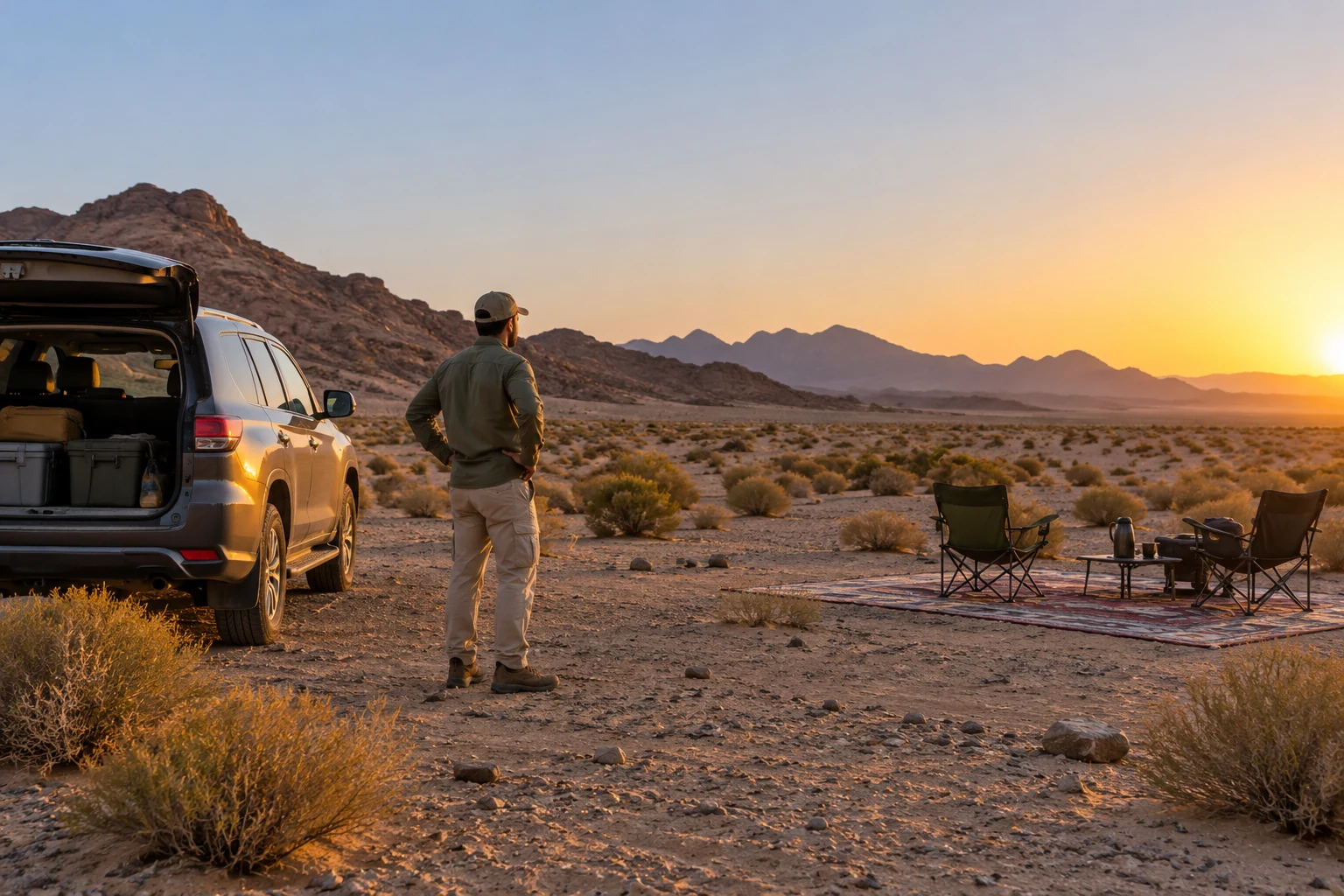
Reduced surrounding light can help camping stargazing, but the location also needs permitted access, appropriate seating space and a clear return route. Do not travel to unfamiliar coordinates simply because an online photograph is attractive. Ask who manages the place and what visit or overnight rules apply. An apparently empty area does not automatically allow camping or a night group gathering.
NASA’s location guide recommends scouting during daylight and checking obstacles and road separation. Apply that to camping stargazing by arriving with time to understand the immediate surroundings. Identify the vehicle, belongings and walking route before darkness. Finding all of those for the first time while carrying equipment at night makes the practical arrangement harder than it needs to be.
Do not confuse camping stargazing with finding the highest or most remote point. A familiar permitted place with an appropriate view can be a better starting choice than somewhere difficult to reach. Avoid edges, vehicle routes and positions that obstruct others. If an organiser identifies the session area, ask how to reach and leave it and which instructions apply.
Separate camping stargazing seating from movement
Keep bags, chairs and equipment clear of the route between tents and the gathering area. Agree where new arrivals will enter rather than improvising around seated people. If the space does not support your imagined arrangement, revise the camping stargazing layout with the responsible person. Do not move to an unapproved position simply to obtain a wider photographic frame.
Check the Moon and clouds for camping stargazing hours
Moonlight affects the visibility of faint objects, while the Moon can also be an enjoyable observing target. There is no single best night for every camping stargazing purpose. Check the phase and local rising and setting times, then select the relevant aim. NPS beginner guidance links those checks with reviewing weather before going out rather than relying on a general seasonal expectation.
Use the forecast for the camping stargazing period rather than a broad daytime icon. Ask about clouds, visibility and conditions at the site, and follow relevant local alerts and instructions. A promising forecast earlier in the week is not a fixed promise for arrival. Agree a usable alternative if the available evening does not provide the view you hoped to enjoy.
Do not promise friends a particular event during camping stargazing from an old post. If a date-specific phenomenon matters, verify its current date, local timing, location and source. An evergreen guide cannot perform that check for every future evening. Make current verification part of the decision before committing to travel whose main purpose is a narrowly timed event.
Match camping stargazing timing to its purpose
A family session may enjoy a clear Moon and a short conversation, while someone interested in fainter objects may prefer different conditions. Explain the purpose instead of using observing as if it means the same thing to everyone. Suitable camping stargazing expectations prevent a different experience being labelled disappointing merely because it does not resemble a photograph someone saw online.
Prepare comfortable camping stargazing seating
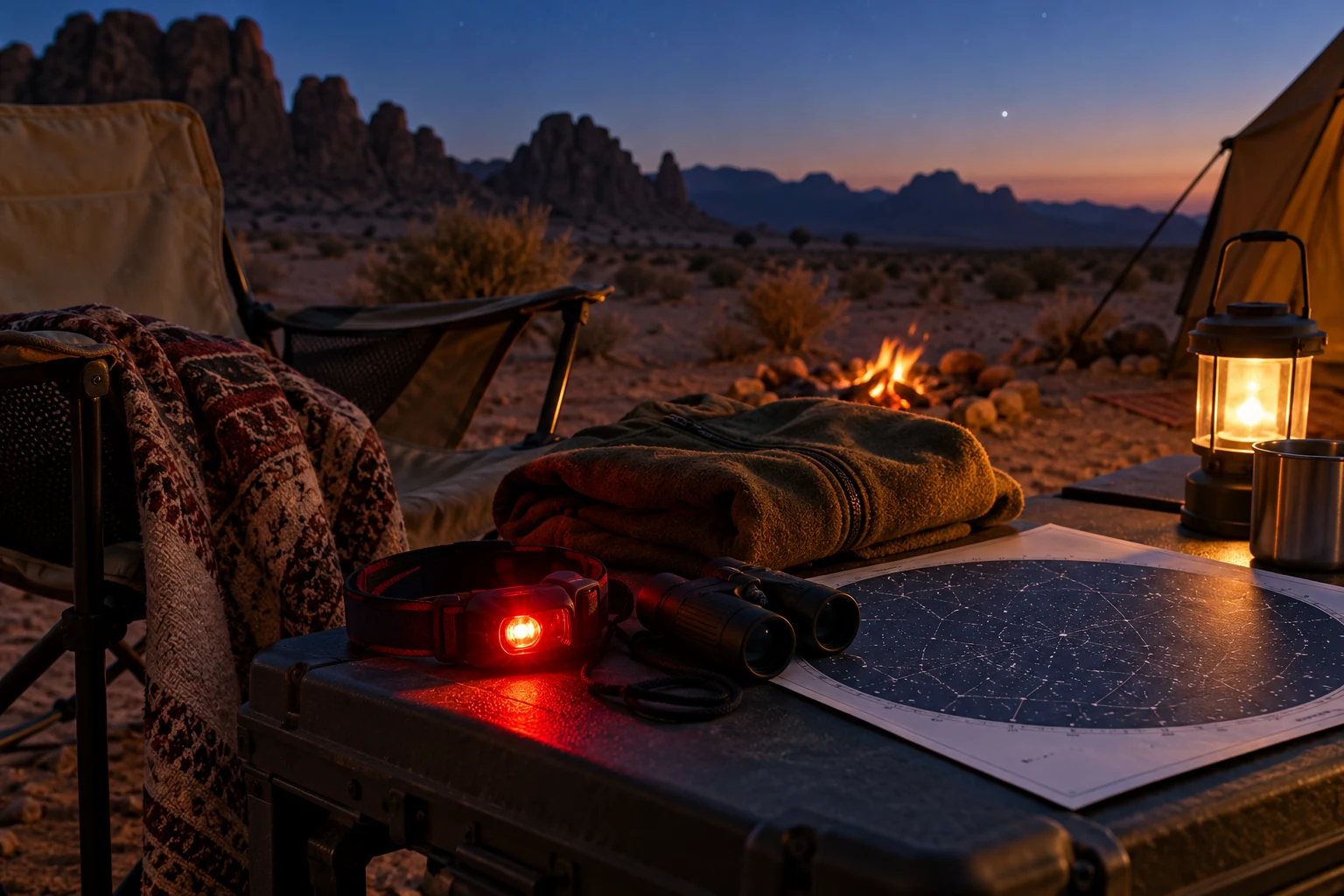
An evening outdoors needs an arrangement for waiting and looking, rather than simply standing beside a tent. Read the organiser’s equipment list and ask what seating or mats are included. If you bring a chair for camping stargazing, try it appropriately beforehand. A small chair that packs neatly is not automatically comfortable for the length of session you intend to have.
Prepare clothing for the stopping period using the location’s current conditions, together with water, required personal items and suitable equipment protection. Sitting for camping stargazing is a different practical task from walking beforehand. Keep useful items accessible so that finding an extra layer does not repeatedly require bright light or emptying a bag into the group’s movement space.
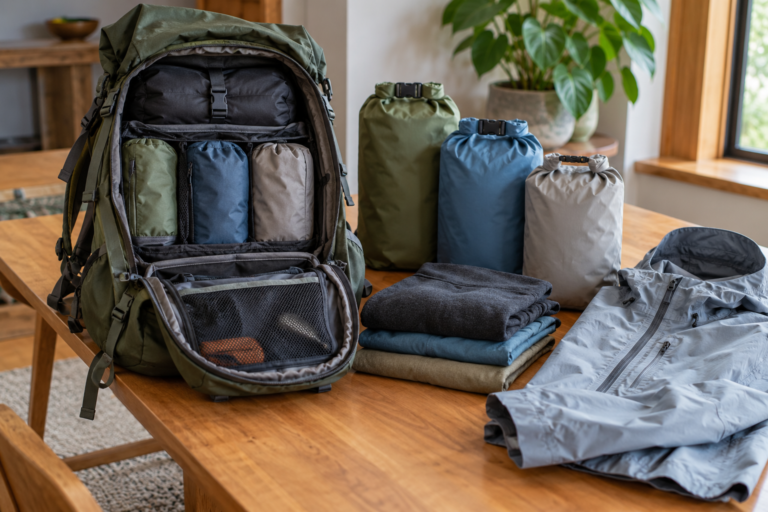
A small camping stargazing bag separate from overnight luggage may suit the programme. Put in what you will use and learn where each item is, rather than making a new shopping list. If equipment is provided, confirm its type, availability and shared use. That avoids carrying an unnecessary heavy replacement or depending on something whose inclusion has never been confirmed.
Practise camping stargazing equipment in daylight
Open the chair or support, learn the light controls and understand any borrowed equipment in familiar surroundings. Camping stargazing is easier to coordinate when the quiet viewing period is not also everybody’s first setup lesson. Follow product instructions and agree how borrowed items are used and stored. Do not redistribute shared equipment without checking with whoever is responsible for it.
Coordinate camping stargazing light and movement
People need enough light for relevant movement and tasks while limiting disturbance. For camping stargazing, explain routes and direct light toward the task rather than faces or sky. Do not personally switch off lighting needed by someone else. Discuss the arrangement with the responsible person, especially when lighting serves facilities or visitors outside your own group.
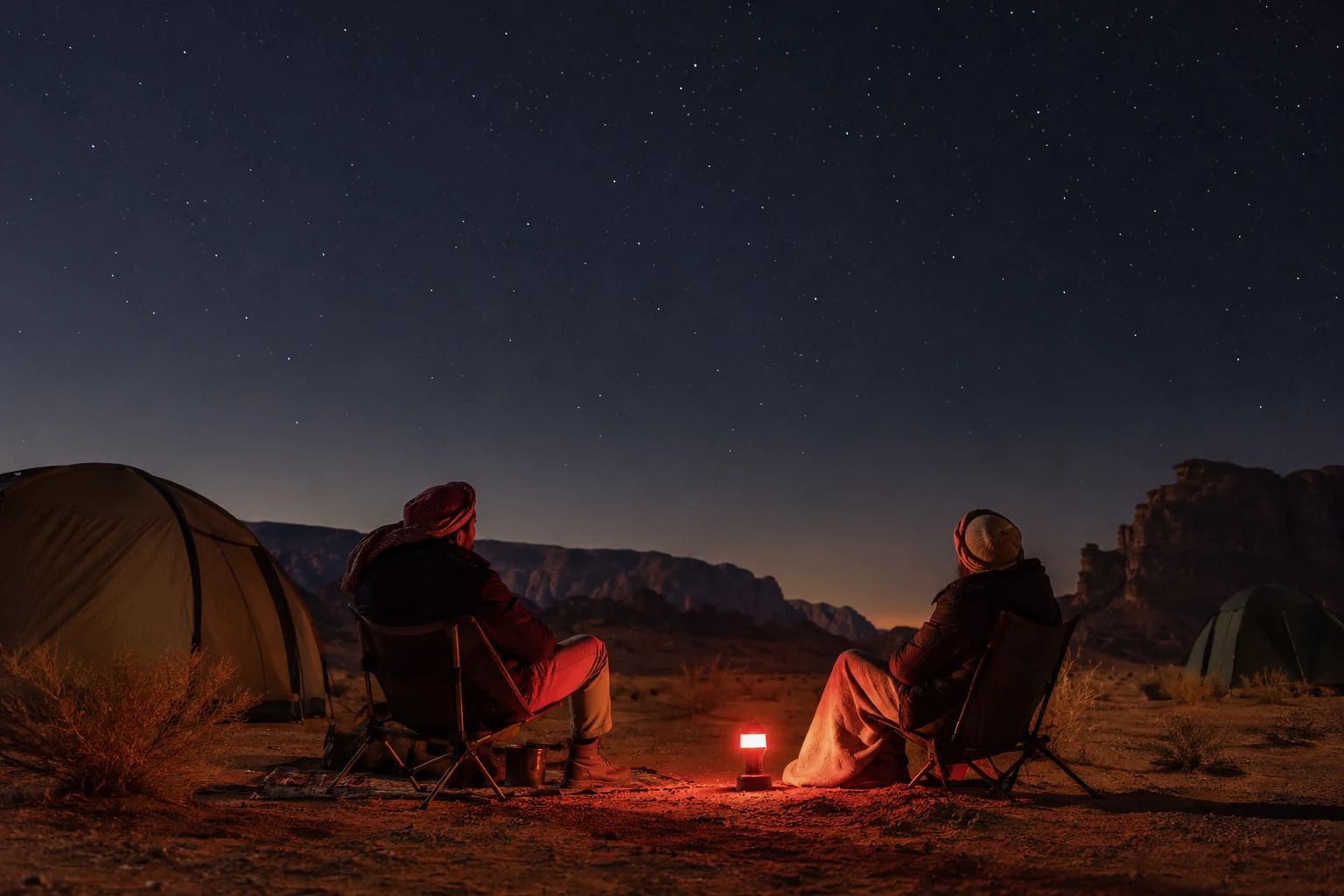
NPS lighting guidance explains that red light has less impact on dark adaptation than bright white light. Use a suitable low setting when needed for camping stargazing under site arrangements. Colour alone does not make every brightness considerate. Avoid pointing a lamp into people’s eyes and learn its controls before gathering rather than cycling through modes during the session.
The same camping stargazing consideration applies to phones and vehicles. Prepare your chart or notes before settling in and minimise repeated screen use. If you need light or must leave, inform the responsible person and follow the agreed route. A dark viewing session does not remove the need to see where you are going or communicate clearly while moving.
| Light source | Arrangement for camping stargazing | Confirm beforehand |
|---|---|---|
| Personal lamp | Low task-directed light | Appropriate setting and use |
| Phone screen | Prepare content and reduce repeated opening | Guide use and photography space |
| Camp lighting | Choose an appropriate viewing position | What can change and who decides |
| Vehicle | Coordinate arrival and departure | Parking and route that avoid confusion |
| Photography lighting | Explain before switching on equipment | Space time and programme policy |
To confirm camping stargazing arrangements for a particular trip, contact the team about timing, location, inclusions, lighting and required personal equipment. Explain whether you want simple viewing, specialist explanation or photography. Request confirmation of what is available rather than reading a general night-trip title as a promise of all those services or dedicated astronomy equipment for every participant.
Use a simple guide for camping stargazing
Choose a guide that can match your location, date and time, and learn its method before arrival. If using an application for camping stargazing, understand its settings and limitations rather than accepting every label shown when pointing the phone around. Prepare any needed content according to the application’s requirements, while keeping the agreed return route and group instructions independent of an astronomy display.
For a first camping stargazing session, choose two or three targets you can check with an appropriate source instead of trying to recognise the entire sky. Spend time looking before consulting the guide again. Names should not become a contest. A child or beginner should be able to ask a question without feeling that limited knowledge excludes them from enjoying the evening.
NASA’s skywatching questions provide a useful starting reference for camping stargazing terminology. Distinguish unaided viewing from photographs that use different equipment, exposure or processing. An impressive image is not automatically a promise of the same visual scene. If an advertisement shows dramatic astronomy images, ask what the actual session includes and how any equipment or explanation is delivered.
Let camping stargazing remain an outdoor experience
Use the guide as a short reference, then return attention to the view. One participant can read a note when needed instead of everyone opening a screen simultaneously. If unsure of an object’s name, record the camping stargazing question for later rather than inventing an answer. Gradual learning and a quiet shared evening remain worthwhile without immediately explaining every bright point.
Separate camping stargazing from a photography session
Viewing and photography may share a location but have different needs for time, space and equipment. Ask before setting up a support, using photographic light or extending a stop. Camping stargazing does not give a photographer control of everyone’s line of sight or seating. If photography is the main aim, confirm a programme that actually accommodates it before booking.
When sharing camping stargazing photographs, explain their origin accurately rather than attributing them to a different trip or company. Obtain permission from identifiable participants and follow location instructions about coordinates or private areas. This article’s illustrations are AI-generated to explain the subject. They do not document an actual Hike & Seek event or establish a guaranteed view from a particular campsite.
One disappointing photograph need not define the camping stargazing experience. Note which equipment skill needs practice and consult its technical instructions later. You may choose to focus on viewing next time or arrange a different photographic session. That is a useful personal decision rather than a reason to disrupt other participants while troubleshooting settings you have not tried before.
Make family camping stargazing manageable
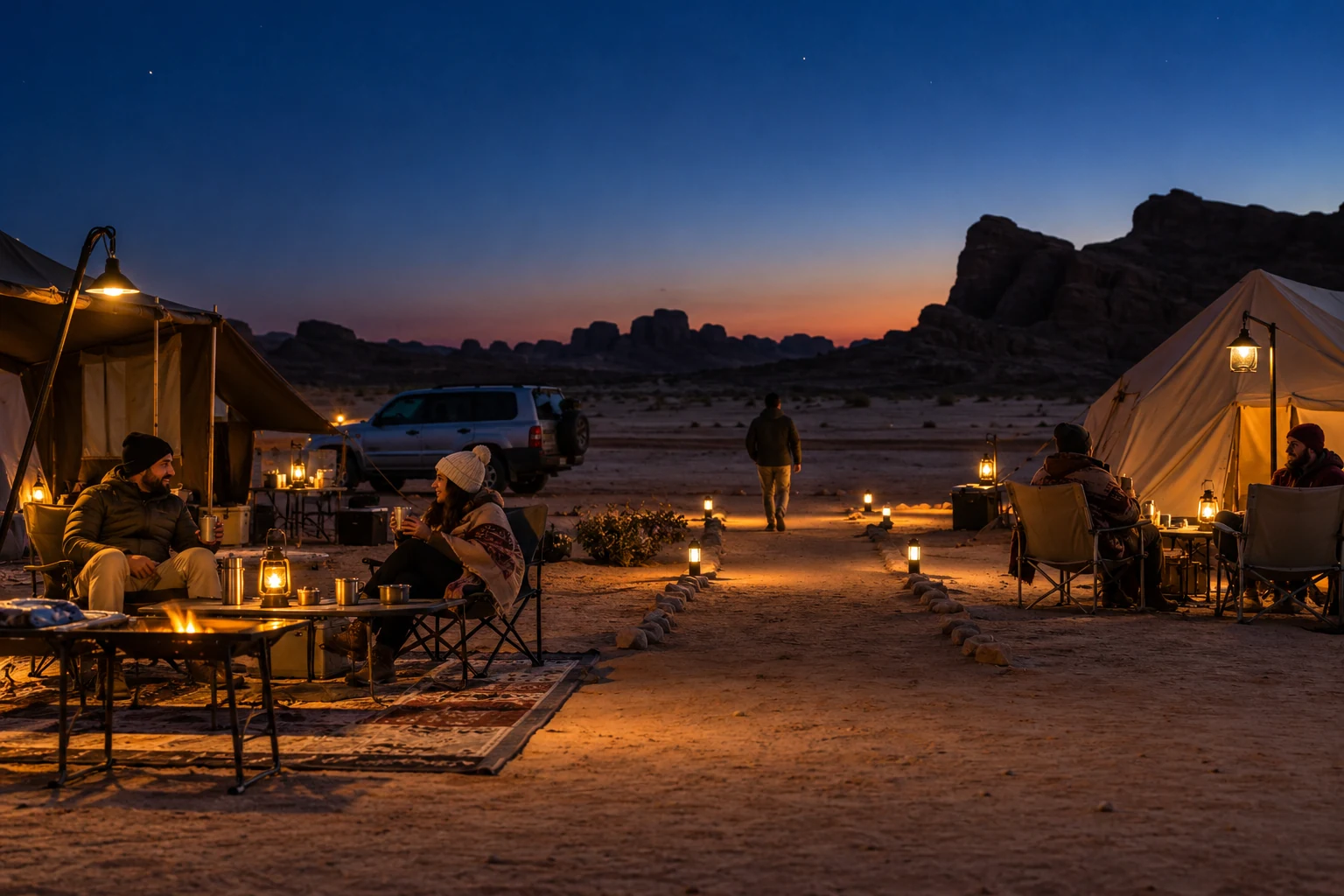
Explain the seating area, movement route and return time before children join the session, and choose a period that suits them. An adult wanting to stay late does not define the whole family’s comfort. Prepare a quiet alternative if children lose interest, and agree any return arrangement with the responsible organiser rather than separating without their knowledge or clear instructions.
For a group, camping stargazing should allow both interest and quiet. Some people want explanations and others prefer watching silently. Agree on voices, light and photography before starting, and respect visitors outside the group. If a formal talk is advertised, confirm its language, duration and level before describing the evening to friends as a specialist astronomy experience.
If clouds prevent the hoped-for camping stargazing view, use the agreed alternative within the programme and suitable conditions. It might be a short discussion or another confirmed activity. It should not become an improvised move to an unfamiliar distant location in search of clear sky. Explain that possibility before the trip and review conditions if observing is a principal advertised service.
Make expectations clear before inviting friends
When inviting friends to camping stargazing, describe the actual plan in ordinary words. Say how long you expect to sit, whether equipment or explanation is confirmed and how the return works. Do not turn your personal interest into a promise on the organiser’s behalf. People can decide more comfortably when they understand what is included and which parts depend on conditions.
Finish camping stargazing as deliberately as it starts
Allow time to organise equipment and clothing and check for forgotten belongings. Follow lighting and movement instructions during the return. Do not rush to the vehicle or switch off a lamp another group needs. Review the seating area for personal waste and return shared items before equipment is scattered among different bags or vehicles and becomes difficult to identify.
After camping stargazing, note one useful improvement: a shorter session, an accessible layer, a simpler chart or a clearer question about inclusions. Relate the review to your original aim instead of the most impressive image online. Recheck place, timing and conditions for the next visit even if returning to a location you enjoyed with exactly the same friends.
| Preparation stage | Question for camping stargazing | Information to retain |
|---|---|---|
| Define the aim | Simple viewing learning or photography? | One clear first-session purpose |
| Choose timing | How do Moon and cloud conditions affect the session? | Source and update time |
| Confirm location | Are the visit overnight stay and activity permitted? | Responsible authority’s instructions |
| Prepare equipment | What is included and what do I bring? | Confirmed list and familiar equipment |
| Arrange return | How will people move and leave clearly? | Known route and agreed contact |
Keep a short list of shared items and their owners. Review it when packing away so equipment returns to the right person before different vehicles depart and a simple return becomes a later search through several bags or messages.
Frequently asked questions about camping stargazing
Does camping stargazing require a telescope?
Simple viewing does not require buying one. Start with unaided observation and a suitable guide to understand your interests, then decide whether a particular instrument serves a clear purpose. If a programme advertises equipment, ask what is available, how it is used and whether it is shared. Do not assume an individual device or specialist explanation is provided continuously for each participant.
Is a full Moon unsuitable for camping stargazing?
It depends on the purpose. Moonlight affects faint detail, but the Moon can be the subject of the session. Check its phase and local rising and setting times, then select an appropriate aim. A night cannot usefully be labelled excellent or poor for every type of viewing and photography without distinguishing what participants actually hope to see.
How do I choose a camping stargazing location?
Choose permitted access, a known route and appropriate movement and seating space alongside manageable surrounding light. Darkness alone does not establish suitability. Avoid relying on coordinates from an old photograph. Confirm the responsible authority’s arrangements for the visit and any overnight stay before travelling to an unfamiliar place, and allow time to understand the immediate surroundings before darkness.
Does red light guarantee considerate camping stargazing?
A low red setting can reduce the impact compared with bright white light, but a powerful lamp directed into someone’s eyes remains disturbing. Learn the controls beforehand and aim at the task. Agree lighting with the responsible person rather than switching off something needed for other visitors or site facilities simply because you would like the area darker.
What if clouds interrupt camping stargazing?
Follow the agreed alternative, programme instructions and local conditions. Do not move independently or propose an unplanned journey to an unfamiliar location. If observing is an important paid element, review the provider’s change conditions before booking. A known alternative supports realistic expectations instead of making the group’s entire experience depend on a view nobody can guarantee.
Do camping stargazing images show what my eyes will see?
Images can differ from unaided viewing because of equipment, exposure, processing and conditions. Do not treat a dramatic photograph as a promise from the same seat on every date. Ask what the actual session provides, distinguish illustrations from documentary trip photographs and build expectations from the confirmed programme and current information rather than the image alone.
Can children join camping stargazing?
A simple family session may work when the place, programme and timing suit the actual children. Confirm duration, movement, facilities and return arrangements. Keep the explanation manageable and allow flexibility. Not every night departure or overnight programme suits every age simply because it is described as enjoyable or takes place outside a city; suitability needs checking before booking.
Do all overnight trips include camping stargazing instruction?
No. A camping title does not establish an organised observing activity, telescope or astronomy guide. Read the inclusions and ask about timing, equipment and explanation if they matter to your decision. Request written confirmation for the selected programme rather than turning the possibility of looking at the sky into a promise of a specialist service that was never advertised.
Prepare camping stargazing with clear inclusions
Choose the aim, permitted location and timing using current information, then arrange seating, light and the return without overloading the equipment list. Allow for changing conditions and different preferences. To discuss possibilities alongside a selected Hike & Seek trip, Contact Hike & Seek and confirm what is included before booking.