 عادل فيرق
You can join a group trip without a friend when the group trip programme suits your experience, its arrangements are clear and your personal preparation is complete. Booking alone does not mean walking alone outside the group. It also does not mean the organiser automatically handles every detail of your arrival and equipment. Begin with the activity, level, duration, meeting point and transport. Ask about the matters that affect participation rather than treating the booking as a promise of friendship or a test of how sociable you can appear.
This guide concerns an organised group trip, not independent wilderness travel. Suitability depends on the group trip programme, your limits and reliable information. Activities and participation conditions vary. You might enjoy conversation or prefer listening; either approach still requires following instructions and respecting others. Do not let an imagined ideal participant prevent you from considering a suitable activity or push you towards one beyond your preparation. A useful experience can involve respectful cooperation without requiring everybody to become close friends by the end of the day.
Before a Hike & Seek group trip, browse the available trips and Contact Hike & Seek with the group trip programme name. Ask whether an individual booking is accepted and clarify level, duration, meeting arrangements, transport and inclusions. A general listing does not establish availability for your particular date. Obtain an answer about the selected programme and keep it with the booking. That allows equipment purchases and arrival plans to follow confirmed information rather than assumptions drawn from another departure or an informal participant’s experience.
Choose the group trip around the activity
Start with what you actually want to do: walking, camping, sightseeing or another advertised activity. Do not select a harder level simply because the photographs look sociable. Understand movement time, terrain, scheduled stops and equipment requirements. Your current experience is the appropriate starting point. A beginner label does not explain every detail of a group trip or establish suitability for an individual need. Identify questions the description does not answer and resolve the important ones before payment or equipment purchases.
Separate social confidence from activity preparation. Being comfortable with strangers does not establish that a walking distance suits you. Equally, you may feel uncertain about introductions while the group trip activity itself matches your experience. Review both concerns without combining them. NPS trip-planning guidance provides a general reason to assess preparation, while the local organiser supplies the actual group trip details. General guidance cannot certify your suitability for a named activity, particularly where a health question needs appropriate individual advice rather than a general programme description.
Give the group trip a straightforward purpose
Your aim may be trying a route with understood organisation, experiencing an activity or spending time outdoors. Avoid setting a target number of new contacts. A simple purpose makes the group trip easier to assess afterwards. Leave room for natural conversation without treating a quiet break or the absence of later messages as evidence of failure. People attend for different reasons. The value of participating need not depend on achieving a social result that neither you nor the group trip organiser can guarantee in advance.
Understand individual booking arrangements for a group trip
Ask how a booking for one person works and whether shared transport, sleeping space or equipment arrangements apply. Do not assume a group trip booking provides a private tent or room, and do not assume the opposite. These details belong to the selected product. Where privacy or sleeping space is essential, clarify it before payment rather than after arrival. Retain an understood answer about personal responsibilities and inclusions, together with the group trip programme name, date and relevant booking information.
Review language, timetable and participation conditions as well. Ask about anything affecting your ability to follow instructions. You do not need other participants’ private information to assess a group trip, although a general description of programme arrangements may help. Do not request names or numbers as a condition of attendance or expect the group trip organiser to disclose them. Focus on the service and requirements. Personal introductions can happen voluntarily during the activity, with each participant choosing what they wish to share.
| Group trip question | Information to obtain | Assumption to avoid |
|---|---|---|
| Does the activity suit me | Duration level and requirements | Photographs establish the effort involved |
| Can I book individually | Selected programme conditions and availability | Every activity uses the same arrangement |
| How do I arrive | Meeting point transport and timing | Transport is always included |
| What must I bring | Confirmed equipment and meal list | Other participants will supply everything missing |
| How is privacy handled | Actual photography and sharing arrangements | Attendance gives unlimited publication consent |
Make arrival part of group trip preparation
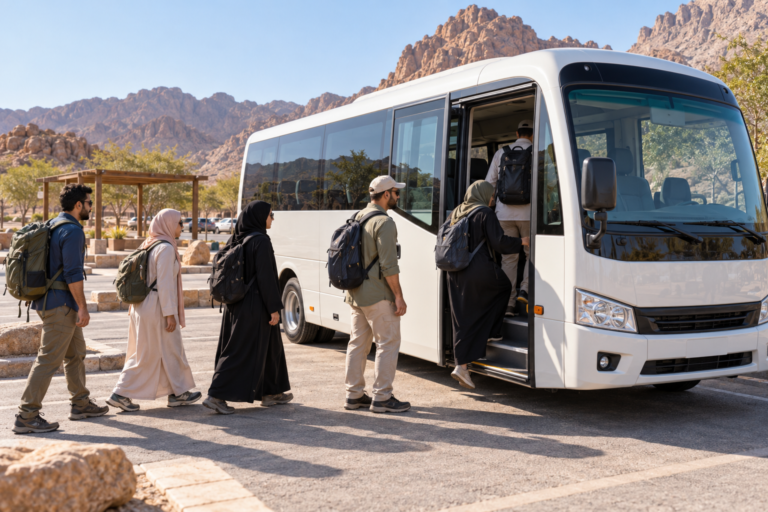
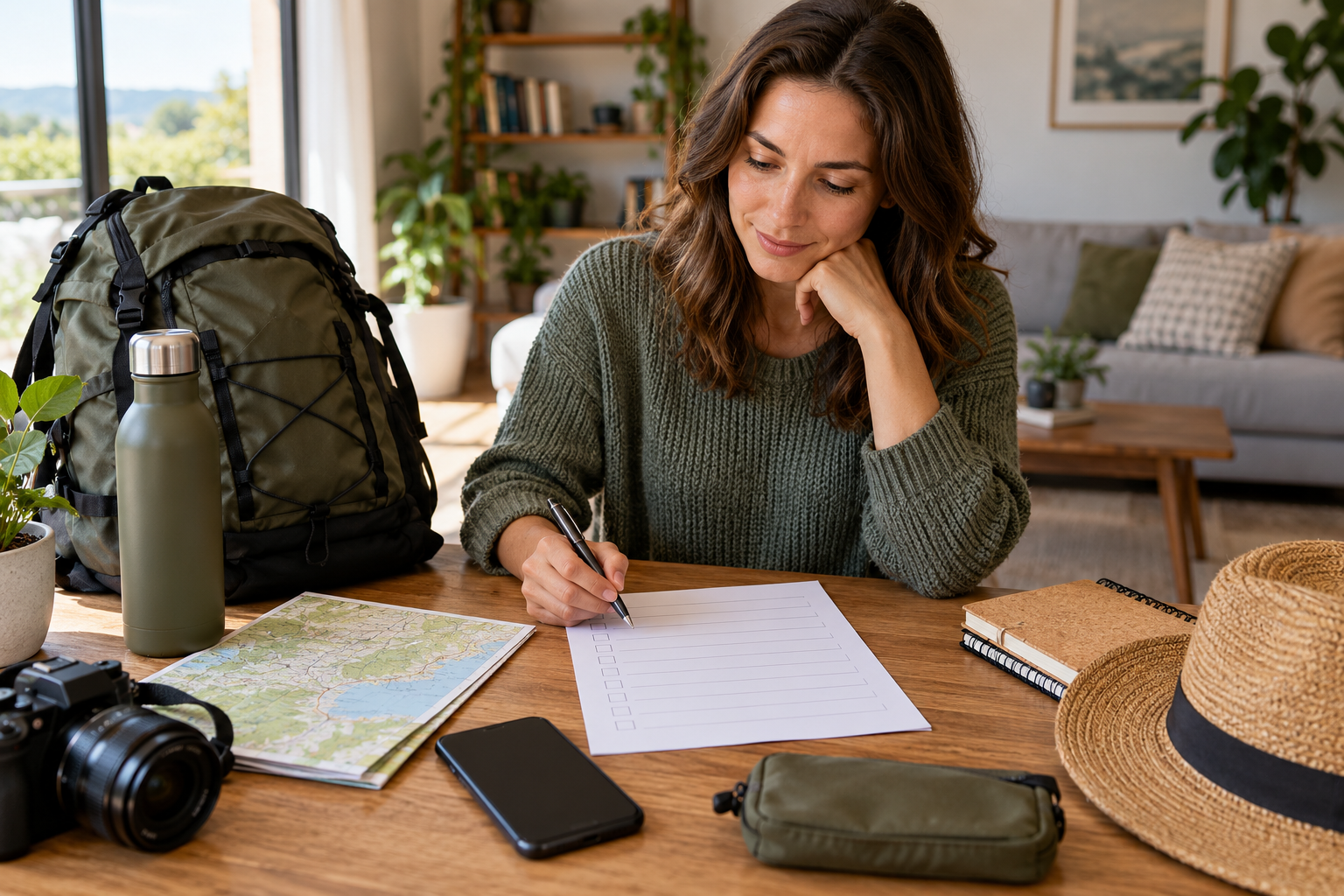
Save the exact meeting location, required attendance time and departure time. Distinguish them from the activity’s starting location. A group trip may depart from a city meeting point or require personal arrival elsewhere. Do not rely on a broad district name or an old map image. Review the location and transport plan before travel, then check the organiser’s approved updates. Arriving without knowing other participants is not a reason to leave an essential practical question unresolved until the morning of departure.
Keep the designated contact and relevant booking details available without publishing them in an open group. If delayed, follow the organiser’s actual procedure rather than assuming the group will wait or that joining later is permitted. Do not invent an alternative meeting point or accept an unverified person’s vehicle as official transport. Ask through the group trip booking channel. A realistic group trip arrival plan respects everybody’s time and uses confirmed arrangements instead of relying on a new acquaintance to solve a problem they never agreed to handle.
Leave an understood plan with someone you trust
Share the group trip programme, expected return and agreed contact arrangement with an appropriate trusted person. Booking a group trip does not remove the value of someone outside the participants knowing your general plan. Agree what an estimated return means and how you will communicate a confirmed change when possible. Do not promise continuous coverage or make a message from one remote point the only basis of the arrangement. Planning should reflect actual communication limits rather than an assumption that a phone connection exists everywhere.
Keep the group trip organiser informed about participation changes through the appropriate procedure. Planning does not require giving sensitive personal details to everyone you have just met. You can join a group trip while maintaining boundaries: booking information with the relevant provider, the general plan with a trusted contact and introductions within the group at a level you choose. Avoid posting documents containing booking references or private numbers. A practical shared plan can remain concise without exposing other participants’ information or your own unnecessary personal details.
Prepare personal equipment without assuming loans
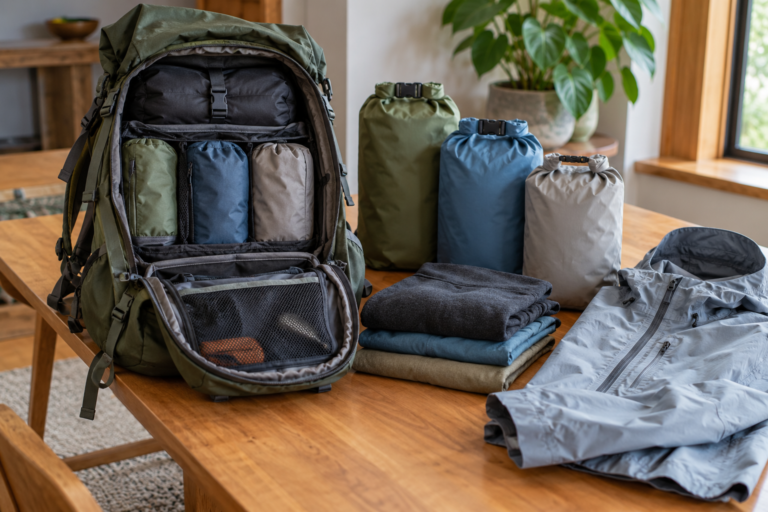
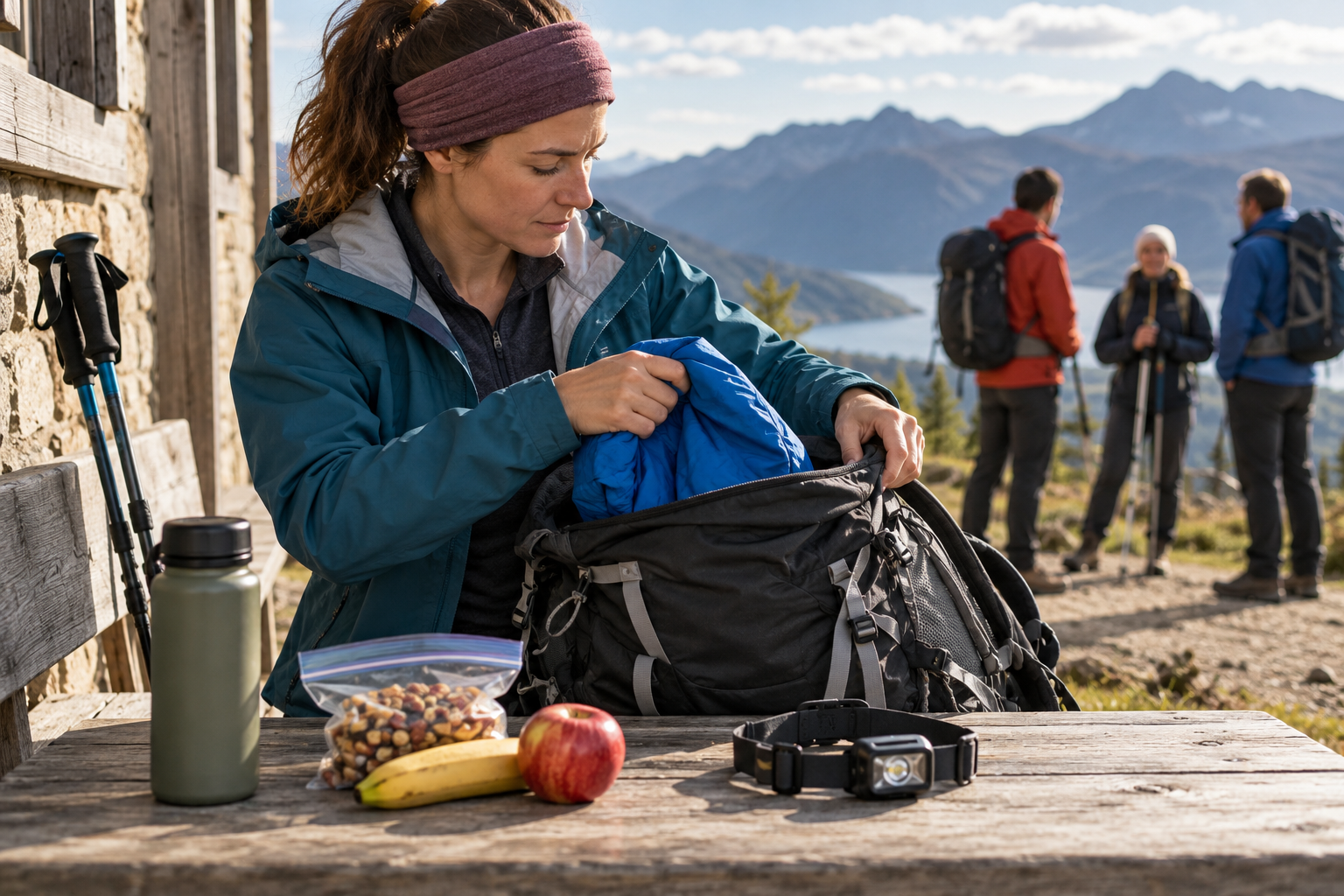
Read the group trip programme list, inspect what you own and try unfamiliar equipment. Do not make a group trip depend on someone lending water, clothing or bedding on arrival. People may help, but your responsibility begins with knowing what to bring. Keep the required load within confirmed luggage conditions and identify frequently used items. More equipment is not automatically better preparation. A clear list of understood essentials is more useful than a large collection selected to reduce anxiety without knowing how each item serves the programme.
If rental or provided equipment is available, confirm dimensions, collection, condition and use before attending. Do not transfer another programme’s equipment promise to the group trip selected now. Retain relevant collection details and inspect the item where appropriate. Confirm meals, water and facilities too. Activities with similar names can differ in inclusions and timetable. Discuss individual requirements with the responsible person rather than expecting the organiser to infer them from your bag, appearance or silence once the group trip programme has already started.
Try new equipment before the group trip
Use footwear, the bag and relevant personal equipment appropriately before departure. The first group trip need not be the day you discover a strap cannot be adjusted or a closure needs explanation. Learn carrying and access to water and clothing. This article does not prescribe training or diagnose discomfort, but a basic fit and operation check can reveal practical problems at home. Obtain suitable advice for individual health questions and discuss participation with the group trip organiser before relying on a general description to answer them.
Begin introductions without pressure
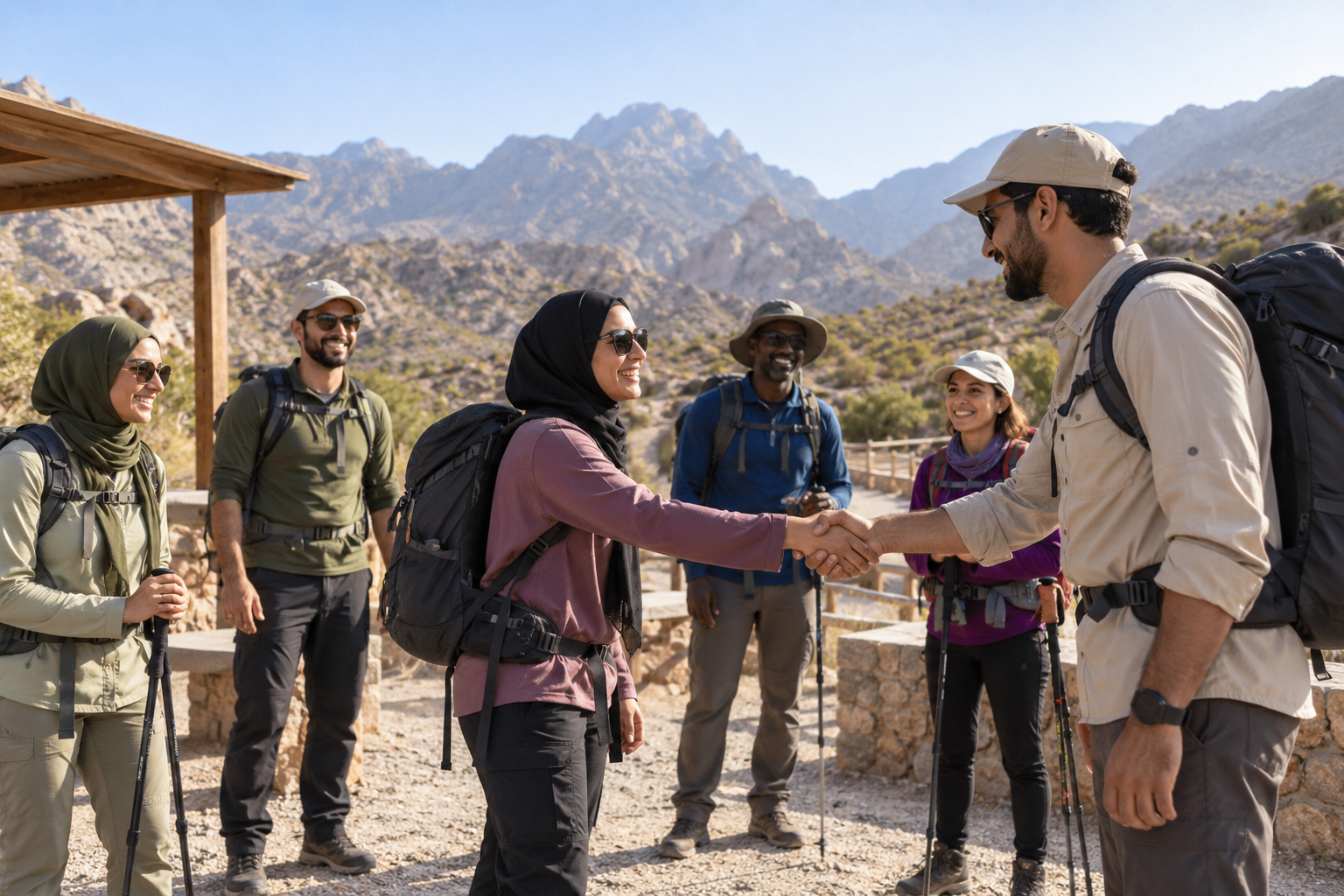
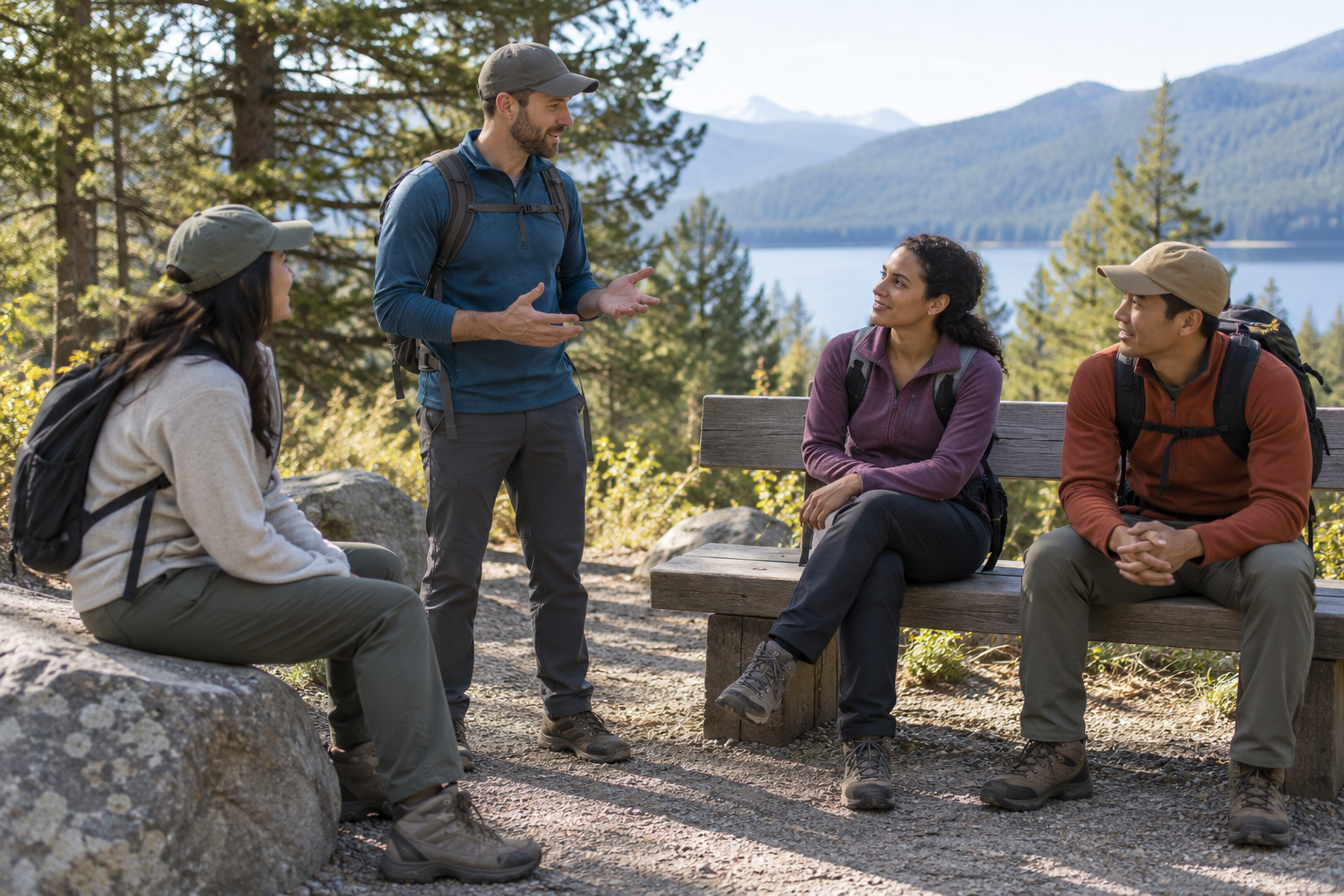
A greeting, name and question about the advertised activity can begin a conversation. You do not need a long personal explanation for attending alone. Listen as well as speak and let other people choose their level of participation. A brief exchange during a group trip is not automatic permission for private contact. If introductions are organised, follow the actual arrangement at a comfortable level. Do not assume every departure uses the same format or guarantees that all participants will enjoy identical interests and conversational styles.
Respect someone who prefers quiet, photographs or attention to the briefing. You may find common interests, or the relationship may remain within the group trip activity. Do not make a group trip a task of pleasing everybody or pursuing a conversation that has naturally ended. Cooperation can be valuable without permanent friendship. If later contact is mutually welcome, exchange details by clear agreement rather than taking information from a list, image or organisational chat that was created for a different practical purpose.
| Situation in the group | Practical response | Useful boundary |
|---|---|---|
| Initial meeting | A greeting and brief introduction | Private details are optional |
| Briefing | Listen and ask for clarification | Do not pretend to understand |
| Rest stop | Optional conversation and respect for quiet | Do not pressure participation |
| Photography | Ask about consent and intended use | Attendance is not unlimited permission |
| End of the day | Thank people and exchange details by agreement | Do not reuse organisational data without permission |
If an unresolved question affects your group trip decision, contact the team before booking. Ask about experience level, arrival and personal requirements. A specific description is more useful than asking whether the day will be enjoyable. The group trip organiser can explain the available programme without promising personalities, friendships or each participant’s feelings. A sound decision combines confirmed service details with your preparation and boundaries, while leaving relationships to develop naturally if people wish to continue them beyond the activity.
Follow group trip instructions without hiding questions
Identify who leads the briefing and how to request a stop or assistance. Follow the movement rules and permitted areas. Booking alone does not require proving independence by leaving the group or trying another route. Ask about instructions you do not understand. Copying another participant whose experience is unknown is not a reliable substitute for the leader’s explanation. If the group trip requires a skill you do not have, resolve suitability before arrival rather than expecting the presence of others to replace that requirement.
Explain a genuine problem directly to the appropriate person rather than opening a discussion with every participant. This guide does not provide a universal first-aid or response procedure. Follow the relevant instructions and obtain suitable assistance for the situation. Keep an understanding of your position and arrangements during the group trip. A large attendance does not establish that every change is noticed immediately. Direct communication is part of organised participation, rather than evidence that asking a question means you have inconvenienced everyone else.
Respect privacy and photography boundaries
Ask before clearly photographing someone and before using their image beyond the group trip arrangement they agreed to. Review the organiser’s photography policy and express a privacy preference early. Do not assume that joining a group trip requires appearing in every group image. A photograph shared for organisation does not automatically authorise republication elsewhere. Respect people who do not want to exchange accounts or telephone numbers, and keep personal contact optional. A request should be easy to decline without persistent questioning or embarrassment in front of others.
If an uncomfortable situation occurs, use the relevant responsible contact and explain what happened and what you need. Avoid public accusations or publishing private details. This article does not promise a particular company complaints procedure; ask about the actual arrangement where needed. You can retain boundaries during a group trip while respecting programme instructions and other participants. Planning cannot remove every disagreement, but it can identify whom to contact instead of leaving you uncertain about the appropriate channel when a practical issue arises.
Review the return before the group separates
Confirm the drop-off point, expected return time and onward journey. The end of a group trip may differ from the walking start, and the stated time may be an estimate affected by the group trip programme and conditions. Do not arrange an extremely tight onward commitment around an assumption the organiser never confirmed. Before leaving, check belongings and any equipment received. Do not place return arrangements with a new acquaintance who has not agreed to provide them or whose actual plan remains unknown.
When back, update the trusted person according to your agreement and review the experience calmly. What was clear before booking, and which question should have been asked earlier? Assess a group trip through activity suitability, organisation, preparation and boundaries rather than the number of photographs or later messages. Decide what you would repeat or change. You may choose a similar programme or another type without treating the first experience as a final judgement about every group, personality and future outdoor activity available to you.
A hypothetical first individual booking
Imagine someone considering a group trip but hesitating because they know nobody attending. Instead of selecting the longest programme to prove confidence, they compare level, duration and transport, prepare personal equipment and arrange the return. This is a hypothetical example, not a customer testimonial or Hike & Seek promise. It shows how a broad concern becomes practical decisions that can be checked. Choosing a different more suitable programme can be a useful result even before participating, if the original details do not match the person’s needs.
| Stage of the example | Information affecting the decision | What remains optional |
|---|---|---|
| Choosing the activity | Duration level and requirements | Expected number of new contacts |
| Booking individually | Conditions and available arrangements | Sharing extra personal details |
| Preparation | Equipment arrival and return | Appearing in unnecessary photographs |
| During the programme | Leader instructions and contact channel | Amount of conversation at breaks |
| After returning | Review of suitability and organisation | Continued contact with participants |
Frequently asked questions about a group trip
Can I book without a friend?
Ask whether individual bookings are accepted for the selected programme and what arrangements apply. This article does not assume identical conditions for every activity. A group trip differs from travelling alone in the wilderness, but still requires personal preparation and understood equipment, level and transport. Send the group trip programme name and date to the team. The presence of other participants does not remove your responsibility to bring the items the description or confirmed booking requires you to provide yourself.
Do I need to be very sociable?
You can participate respectfully, listen and talk at a comfortable level while following instructions. A group trip is not a target number of conversations or friends. Begin with a simple greeting and activity-related question, respecting other people’s quiet and boundaries. This guide guarantees neither friendship nor universal agreement. Review activity, organisation and preparation, allowing contact to develop by mutual choice. Pressure on yourself or others to prove social success can distract from the reason you chose the group trip activity in the first place.
Will the group choose equipment for me?
Read the list and confirmed inclusions, then prepare what is your responsibility. Do not make a group trip depend on borrowing everything after arrival. Where rental or provided equipment exists, clarify size, condition, collection and instructions. Other participants may not have spare items or equipment suitable for you. Ask the organiser about the group trip programme and the supplier about the product. Try unfamiliar pieces before departure rather than assuming every practical issue will receive an automatic solution once surrounded by more people.
What should I tell someone outside the group?
Share a general programme plan, expected return and suitable follow-up arrangement with a trusted person. A group trip does not require public documents or other participants’ personal details. Consider changed timing and possible communication limitations, and agree how updates will work. Keep necessary contact information with appropriate people. The objective is practical preparation respecting privacy, rather than a promise of constant communication or one procedure intended to cover every location, programme and personal circumstance regardless of actual conditions.
Does the group trip booking include collection from home?
Do not assume that. Confirm transport, meeting location, attendance time, departure and drop-off for the selected group trip. You may need to arrange personal travel to a specified collection point even when transport is included for part of the day. Save the exact location and review approved updates. Do not invent a different meeting place or rely on an unverified vehicle because you know nobody attending. Use the group trip booking channel to clarify the actual arrangement before basing purchases and travel plans on it.
Must I appear in photographs?
Ask about the policy and express your preference early. Joining a group trip should not be interpreted as unlimited permission for every photograph and publication context. Respect the same boundary for others and obtain agreement about intended use. Do not take private contact details from an organisational list without permission. Introductions and photographs operate within the actual programme’s arrangements; they are not the sole measure of cooperation or whether your day was worthwhile. Clarify concerns with the responsible person rather than guessing others’ expectations.
What if I do not understand an instruction?
Ask the responsible leader directly before acting. A group trip does not require pretending to understand or copying someone whose experience you do not know. Explain the question simply and use the actual assistance and stopping arrangement where needed. If the issue concerns an essential skill or participation level, discuss suitability before booking. A group’s presence does not replace the activity’s requirements or give each participant automatic knowledge of what to do in a situation whose instructions they have not understood.
How do I decide whether to repeat the experience?
Review suitability, information clarity, equipment, arrival, return and respect for boundaries. Do not reduce a group trip to the number of people still messaging afterwards. Record one successful detail and one question to resolve earlier next time, then verify the new programme. A similar activity, shorter day or different level may suit you. One experience provides specific observations; it does not establish that all future groups, services and participants will be identical or that every change must involve a harder activity.
Write one question for each unclear arrangement. Answers make programmes easier to compare and reveal which details still need confirmation before you commit.
Confirm the programme before your first individual booking
Review activity, level, booking arrangements, arrival, equipment and return, then Contact Hike & Seek with the programme name and decision-relevant questions. Prepare your own requirements, leave an understood plan with a trusted person and retain personal boundaries. A group trip becomes easier to assess when expectations turn into confirmed details and clear responsibilities, while introductions remain natural and voluntary. A friendship promise is unnecessary for useful participation; an appropriate programme and preparation that respects you and everyone else are a firmer basis for the decision.