 عادل فيرق
Start corporate outdoor trips with a brief explaining the purpose, participant numbers, experience, available time, budget and required inclusions. An attractive destination alone cannot establish whether a programme suits a varied team. Define the decision you need to make, then request an offer you can compare against the same information from another option before confirming the booking.
This guide helps the coordinator of corporate outdoor trips turn a general wish for time outside the office into practical questions for an organiser. It covers objectives, participation, quotations, transport, changes and participant messages. The examples are planning suggestions rather than a description of a special service already confirmed by a particular provider, and they do not promise measurable business outcomes.
To explore corporate outdoor trips with Hike & Seek, review the published trips and Contact Hike & Seek with your numbers, dates and purpose. Ask what can actually be arranged and request written confirmation of the programme and inclusions. Published activities do not automatically establish a dedicated corporate service, a group discount or exclusive access on your preferred date.
Define the purpose of corporate outdoor trips first
You might plan corporate outdoor trips to give new colleagues time to meet, recognise a team’s work or bring people from different offices together. Choose one main purpose and write it in a straightforward sentence. A clear objective helps you remove an attractive addition that would crowd the day without helping the people who are attending.
Do not make corporate outdoor trips carry business promises you cannot substantiate. A shared day outside may be your intention, but one outing does not establish that workplace disagreements will disappear or productivity will rise by a stated percentage. Choose something you can review: clear information, an appropriate activity and enough time for the experience you intended participants to have.
Balance management’s wishes with the participants’ experience when designing corporate outdoor trips. The person suggesting a long walk may have different preferences from colleagues wanting a gentler activity and conversation. Gather brief input before committing. Explain which elements are proposed as essential and which might be optional, rather than interpreting silence in a chat as agreement with details nobody has described.
Turn the purpose into corporate outdoor trips criteria
Write three selection criteria for corporate outdoor trips that connect to the main purpose. Examples include manageable travel time, opportunities to talk and a suitable level of movement. Rank them and identify flexibility. These are not universal limits for every team; they explain to an organiser which practical requirement would make an otherwise attractive suggestion unsuitable.
| Proposed purpose | Programme requirement | Question before selecting a destination |
|---|---|---|
| Introductions between new colleagues | Shared time without constant pressure | How much time is available for conversation? |
| Team appreciation day | Comfortable and understood experience | Does the activity suit the actual participants? |
| Meeting across office locations | Coordinated arrival and departure | When can everybody realistically start? |
| Shared interest in nature | Clear route and equipment description | What movement and preparation are required? |
| Varied preferences | Confirmed participation options where available | What happens if someone does not choose a walking section? |
Understand who will join corporate outdoor trips
Planning corporate outdoor trips requires an estimated number and later a confirmed number, with clear dates for the transition. Give a range at enquiry stage and label it accordingly. Ask when names must be finalised and how changes affect services or cost. Identify who inside your company can approve the number and communicate revisions to the organiser.
Ask participants in corporate outdoor trips about relevant experience, preferences and practical requirements privately. Do not collect personal details in a public group simply because you are organising an outing. Explain why information is needed, who will receive it and follow your company’s procedures. An organiser may need a practical requirement without needing its owner’s full personal story circulated among colleagues.
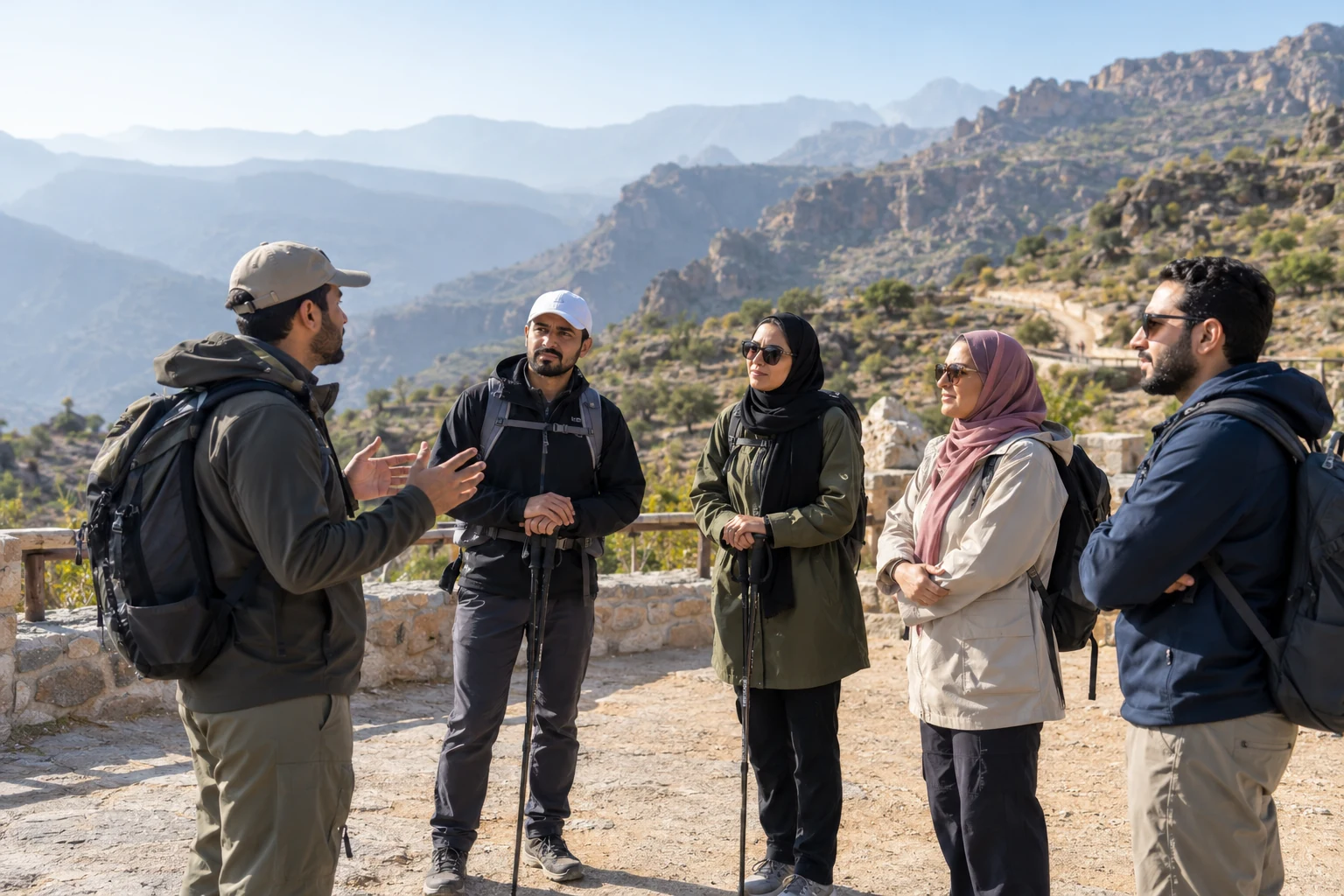
Consider language and familiarity with outdoor activities when preparing corporate outdoor trips. Ask which language the briefing uses and whether the equipment instructions will be understandable to everyone. Do not leave all translation to one employee improvising on the day. If the team needs an additional arrangement, establish whether it is available and its cost before describing it internally as confirmed.
Confirm alternatives within corporate outdoor trips
If a section may not suit some participants, ask what the actual alternative involves: location, supervision, duration and transport between points. Writing that they can wait is not enough. For some corporate outdoor trips, selecting a different programme for everyone may work better than an unplanned division. Discuss the issue before payment and give participants an accurate description of the arrangement.

Write a brief for corporate outdoor trips that can be answered
A useful corporate outdoor trips enquiry includes the contact person, preferred or alternative dates, estimated numbers, departure city, available time, purpose and budget range. Mark unanswered questions clearly. The brief need not be long. It needs enough specific information for a useful response, with a distinction between what you propose and what you are asking the organiser to confirm.
State whether corporate outdoor trips means joining an existing departure or enquiring about a private programme. Multiplying an advertised individual price by the number of employees does not establish an exclusive offer. Ask which booking model is available and whether numbers, location or timing impose limits. Do not include an assumed discount when seeking internal approval for an unconfirmed arrangement.
Explain real timing constraints for corporate outdoor trips. If employees normally finish work at a certain hour, state whether they can depart earlier and when they need to return. Separate travel from activity time. Half a day can mean different things to different people unless the plan includes clear start and finish times and an agreed meeting location.
An adaptable corporate outdoor trips enquiry
An illustrative message could ask about corporate outdoor trips for approximately twenty colleagues across two possible dates, with limited mountain walking experience and a preference for a gentle shared day. Include the actual departure city and latest return, then request a programme, inclusions, equipment list and arrangements for number or weather changes. Replace all example details before sending rather than borrowing a participant profile that does not describe your team.
Compare corporate outdoor trips on equivalent information
Start comparing corporate outdoor trips with scope before price. Does the offer include transport, use the same departure point and provide a meal or list it as optional? Put each answer in a consistent comparison table. Mark missing information. A price difference is difficult to interpret when one proposal includes services the other has not described or covers a different activity period.
Avoid turning corporate outdoor trips into a collection of unapproved extras. If you want photography, a particular meal or a furnished gathering area, request a separate service description, provider, timing and cost. Clarify whether the organiser is responsible for it. Attractive images alone do not explain quantities, duration, usage terms or whether the service can be delivered at the selected location.
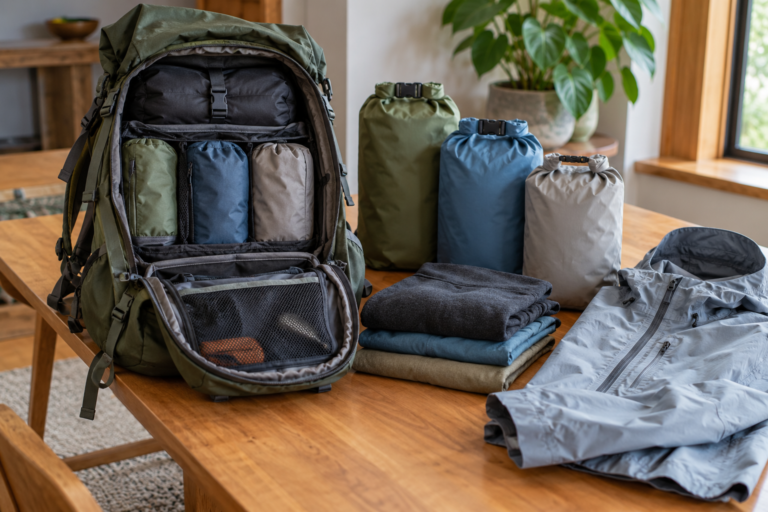
Ask what participants must bring personally for corporate outdoor trips and when that list can be circulated. Do not tell employees that everything is provided unless the confirmed offer defines the statement. Personal items may remain each participant’s responsibility even when transport and programme timing are fully organised. Clarifying this early gives people time to prepare without relying on an assumed equipment loan.
| Offer component | Compare corporate outdoor trips | Clarify when missing |
|---|---|---|
| Activity | Route description duration and level | What gentle or suitable for everyone means |
| Transport | Departure stops and return | Inclusions and changes to meeting points |
| Food | Type quantity and timing | Arrangements for requirements notified in advance |
| Group | Numbers and participation model | Exclusivity shared departures and limits |
| Additional services | Separate description for each item | Price responsibility and final confirmation |
For a response about corporate outdoor trips that relates to your team, contact the team with the full brief rather than asking about price alone. Request comparable answers and review them with your internal approver. Do not pass a suggestion to employees as a final promise before the appropriate arrangements, cost and conditions have been confirmed.
Separate internal approval from a confirmed booking
There are two different decisions in corporate outdoor trips coordination: approval within the company and confirmation with the provider. A manager accepting the idea does not reserve places or dates with an organiser. Receiving an offer does not mean the company has accepted it. Agree who handles each step and when a commitment becomes confirmed under the applicable conditions.
Keep the approved corporate outdoor trips offer, conditions and amendments together with a date or version reference. If a meal, number or meeting time changes, request confirmation of everything affected. Avoid an older schedule in email and another in a chat without identifying the current reference. A small difference can affect catering quantities or the expected arrival of a transport service.
For financial arrangements around corporate outdoor trips, follow your company’s process and request the documents it requires from the provider. Do not infer charges, taxes or payment dates from a general advertisement. Ask about the included amount, options, payment schedule and documentation, then involve the appropriate internal colleague. This guide organises the questions rather than setting financial policy for either party.
Give corporate outdoor trips decisions an owner
Clarify who approves numbers, coordinates transport, gathers participant questions and authorises cost. One person may hold several roles, but everyone should know that arrangement. Corporate outdoor trips become harder to coordinate when a colleague’s informal side request changes the programme without the approver’s knowledge. Route the request through the agreed person before expecting the organiser to implement it.
Build a realistic corporate outdoor trips schedule
Begin with when participants can actually arrive, then allow for the briefing, preparation and transfer to the activity. Do not fill every available minute with a stop or game. Corporate outdoor trips need time for facilities, belongings and understanding the next step. Ask the organiser for a realistic schedule instead of calculating the pace of a large team from an individual’s previous outing.
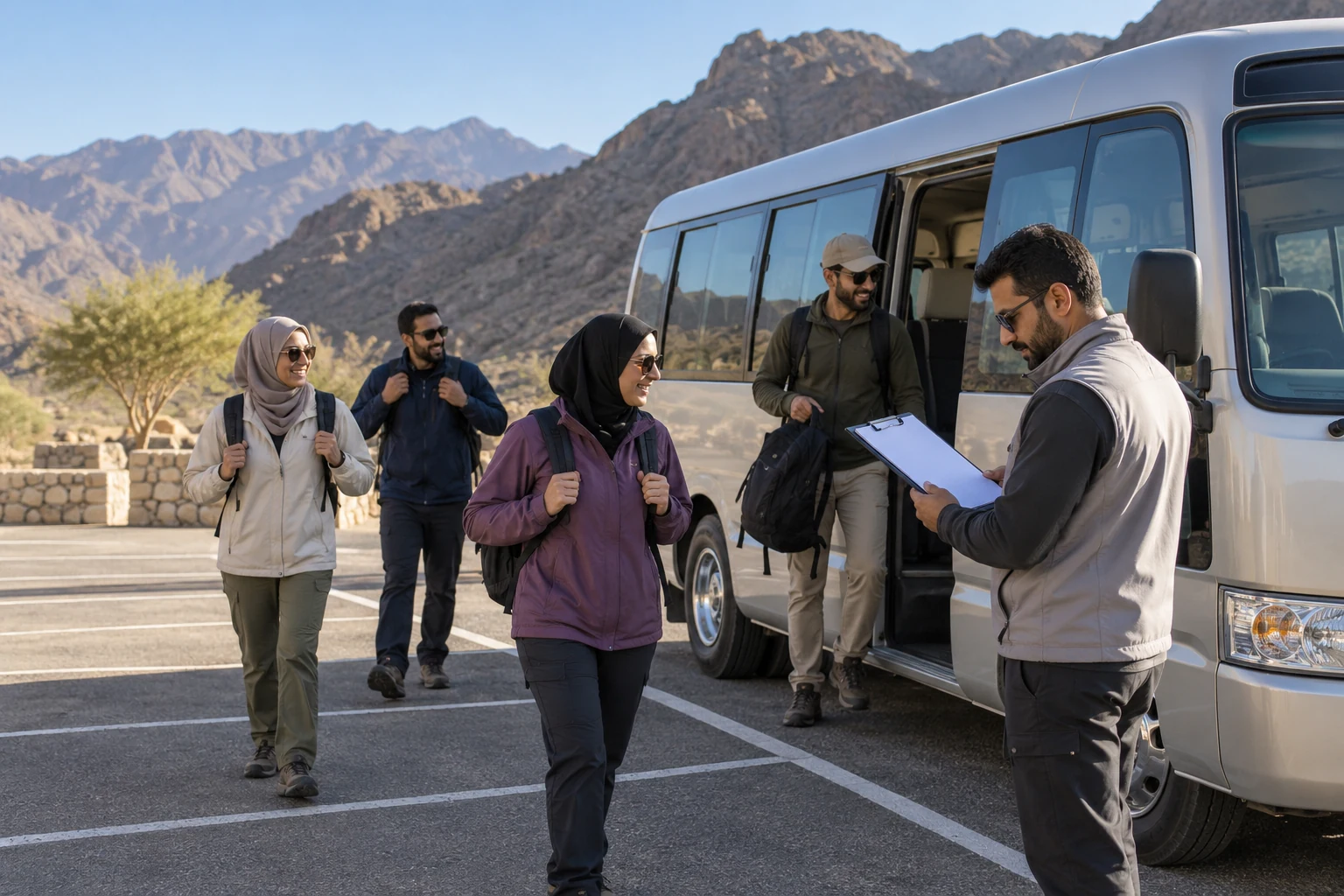
Provide a current meeting location and contact method, then ask about late arrivals. Do not assume that a bus can wait indefinitely or collect employees from multiple locations without agreement. For corporate outdoor trips involving some people travelling independently, confirm their joining point, luggage arrangements and return instructions so there are no conflicting versions of how to reach the activity.
Check practical facilities for corporate outdoor trips: stopping places, toilet arrangements, seating, meal timing and access to personal belongings. Ask about the actual location and date. Describing a destination as natural or memorable does not answer those questions. A modest difference in facilities can matter more to your group than adding another activity to an already busy programme.
Include changes in corporate outdoor trips arrangements
An enquiry about corporate outdoor trips should ask how changing weather and other programme changes are handled. Who sends the decision, when does confirmation arrive, and does the alternative mean another date or activity? Read the actual conditions. Do not assume that any change refunds every separate transport or accommodation expense; each commitment needs review under its own terms.
When corporate outdoor trips are revised, reassess the alternative rather than accepting it as a minor detail. Movement, return time and equipment can change. Circulate the confirmed new version and ask participants to acknowledge it, especially those who do not monitor the group chat continuously. Communication includes checking receipt, rather than simply sending an update and assuming everybody has read it.
Leave No Trace’s planning guidance encourages understanding the location, group capabilities and instructions before visiting, which is relevant to corporate outdoor trips too. Do not move a large party into a location without checking its arrangements and limits. The guidance is general; confirm applicable numbers, permissions and instructions with whoever is responsible for the actual location and activity.
Communicate corporate outdoor trips clearly to participants
The participant message for corporate outdoor trips differs from the organiser’s commercial brief. Employees need the timing, activity, suitability, equipment, transport, food arrangements, photography policy and contact person, with a way to ask questions. Do not forward a quotation and expect everyone to extract these details. Write a concise message based on the confirmed programme and link to the organiser’s instructions where useful.
Discuss photography, publication and any company branding before corporate outdoor trips take place. A company approving a photographer does not establish every participant’s consent to every image use. Explain the intended channels and how preferences can be raised, following company procedures and programme instructions. Do not promise promotional material or branded equipment without agreement from the responsible service provider.
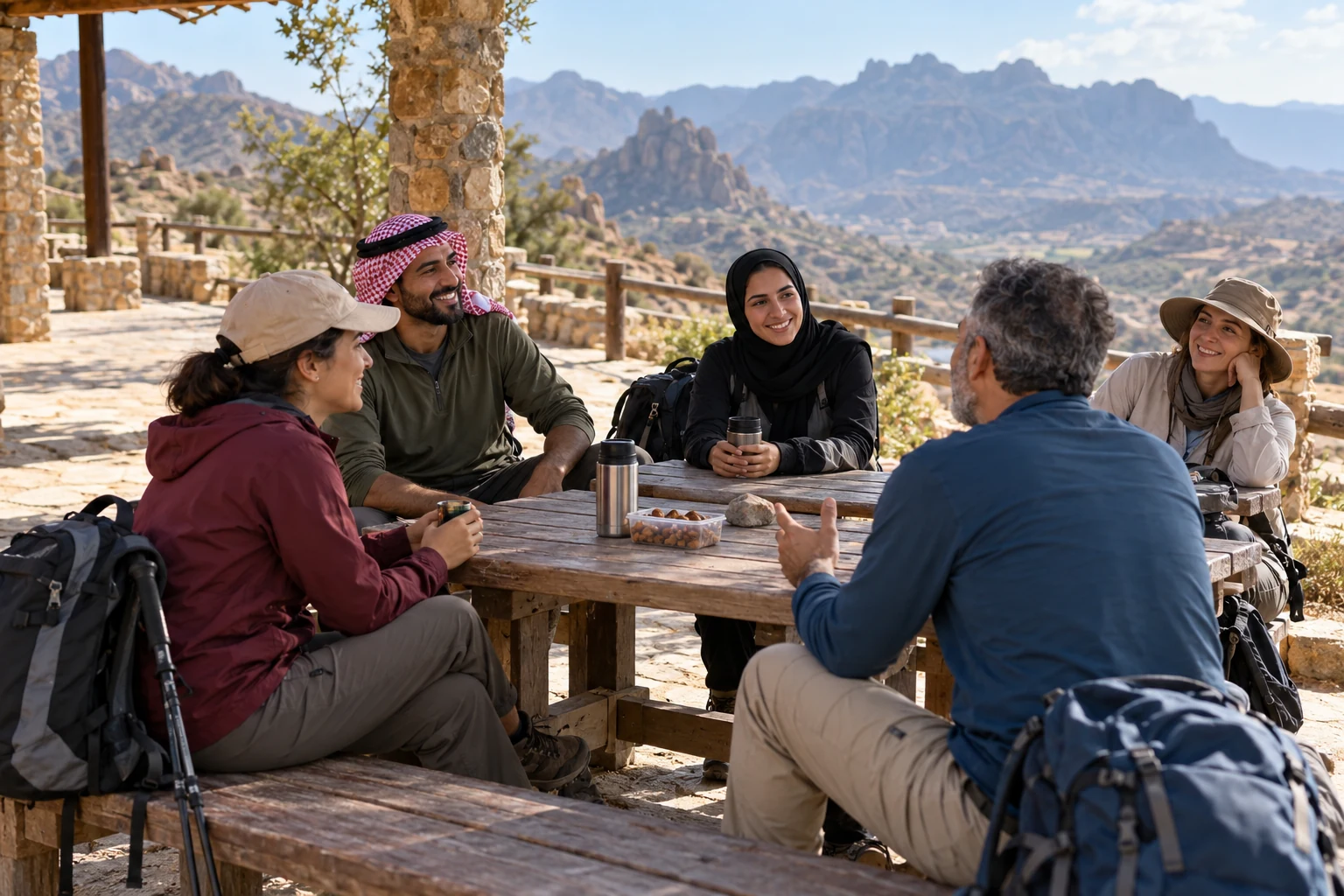
Keep social participation comfortable during corporate outdoor trips. Every stop need not become a long personal introduction or public competition. Explain the purpose and leave room for ordinary conversation. Avoid comparing employees’ walking pace with their work performance. A shared outdoor day can provide time together without turning different preferences or abilities into informal evaluation between colleagues.
| Stage | Decision owner for corporate outdoor trips | Clear output before the next step |
|---|---|---|
| Gathering requirements | Company coordinator | One brief with date numbers and purpose |
| Comparing proposals | Coordinator and approver | Understood scope services and cost |
| Confirming participation | Named internal contact | Confirmed number and appropriate requirements |
| Sending instructions | Coordinator and organiser | Current understandable participant message |
| Reviewing a change | Approver and organiser contact | Confirmed revision with receipt checked |
Review corporate outdoor trips with specific questions
Evaluate corporate outdoor trips against the original purpose. Ask whether the description matched the experience, travel time worked and any information was missing. Collect feedback without exposing personal details or blaming someone for a different preference. Share a specific improvement with the organiser, such as sending the equipment list earlier, rather than labelling the entire day a success or failure without explaining why.
Ask a colleague unfamiliar with the arrangements to read the participant message and identify any missing detail.
Frequently asked questions about corporate outdoor trips
Should corporate outdoor trips begin with budget or destination?
Start with purpose, numbers and available time, then add a budget range that helps identify realistic options. Choosing a destination alone can limit alternatives before the team’s needs are understood. Request a programme that fits those requirements, then compare services and cost together rather than finding the lowest number without considering transport, timing and suitability.
Do corporate outdoor trips require hiking experience?
Suitability depends on the selected activity; there is no single experience requirement for every programme. Describe the team honestly and ask about movement, climbs, stops and equipment. If capabilities differ, confirm available alternatives or select something more appropriate for everyone. Friends wanting to attend together does not establish that the same activity suits each person individually.
Can corporate outdoor trips use the advertised individual price?
Do not assume that multiplying an individual price creates a group offer. Booking model, exclusivity, inclusions and additional services may differ. Request a quotation for your numbers and date, then read its scope. A larger group does not automatically establish a discount or private access, so avoid announcing a final cost before the provider confirms the relevant arrangement.
How should corporate outdoor trips handle number changes?
Agree when numbers are finalised, how names can change and how additions or reductions affect services and cost. Use one contact to send a current version rather than scattered updates. Read the actual conditions instead of assuming every last-minute change is possible, particularly when transport, food or location arrangements depend on a number already confirmed.
Can corporate outdoor trips have a private programme?
You can enquire, but availability, exclusivity, timing and cost require the provider’s confirmation. Explain whether private means your team alone, a different date or additional elements. Sending a request is not acceptance. Wait for a written description of what can be arranged before presenting an unconfirmed option to employees as their final programme.
What personal information should corporate outdoor trips avoid sharing publicly?
Collect what is needed and pass relevant requirements to the appropriate contact under your company’s procedures. Do not circulate health details or private contact information simply to make coordination easier. Explain why information is requested and allow private questions rather than requiring participants to discuss personal needs in front of colleagues during a group planning conversation.
What if weather changes corporate outdoor trips?
Use the agreed change process, follow local alerts and instructions and obtain the responsible organiser’s decision. If an alternative is proposed, review suitability, timing, transport, equipment and conditions before approving it. Send the current programme to every participant and check receipt. A message saying the destination changed cannot replace a clear description of the revised activity.
How do I evaluate corporate outdoor trips without exaggeration?
Use the purpose you set: understandable organisation, appropriate activity, shared time and practical improvements. Do not attribute a business performance change to one outing without evidence. A few specific questions can identify useful adjustments, such as different travel duration or meal timing. General satisfaction figures are less useful when they do not explain what should be repeated or changed.
Confirm corporate outdoor trips from a clear brief
Combine the purpose, numbers, dates, time, budget and requirements into one enquiry, then request activity details, inclusions, transport and alternatives. Compare, confirm and communicate the participant instructions. To discuss what Hike & Seek can arrange, Contact Hike & Seek with your team brief before approving a booking or announcing the final programme internally.